



Get Free Samples
Recent News
- ▶ Flat wall-mounted wind-sand separator
- ▶ Air Cooled Condensing Unit | ACCU HVAC Refrigeration Unit
- ▶ Xinran NG Compressor System Passes FAW Jiefang Validation
- ▶ China's High-Power Diesel Generators Export Surge 131.81%
- ▶ High-Efficiency Industrial Centrifugal Fans Low-Noise Air Blower for Boiler Induced Draft Fans
- ▶ Explosion-Proof Ffrp Roof Exhaust Fan - FRP Material, High Efficiency for Industrial Use
Message
- Poor Indoor Air Circulation? Wall-Mounted Fan Enhances Ventilation Without Taking Floor Space
Time : Dec 10, 2025
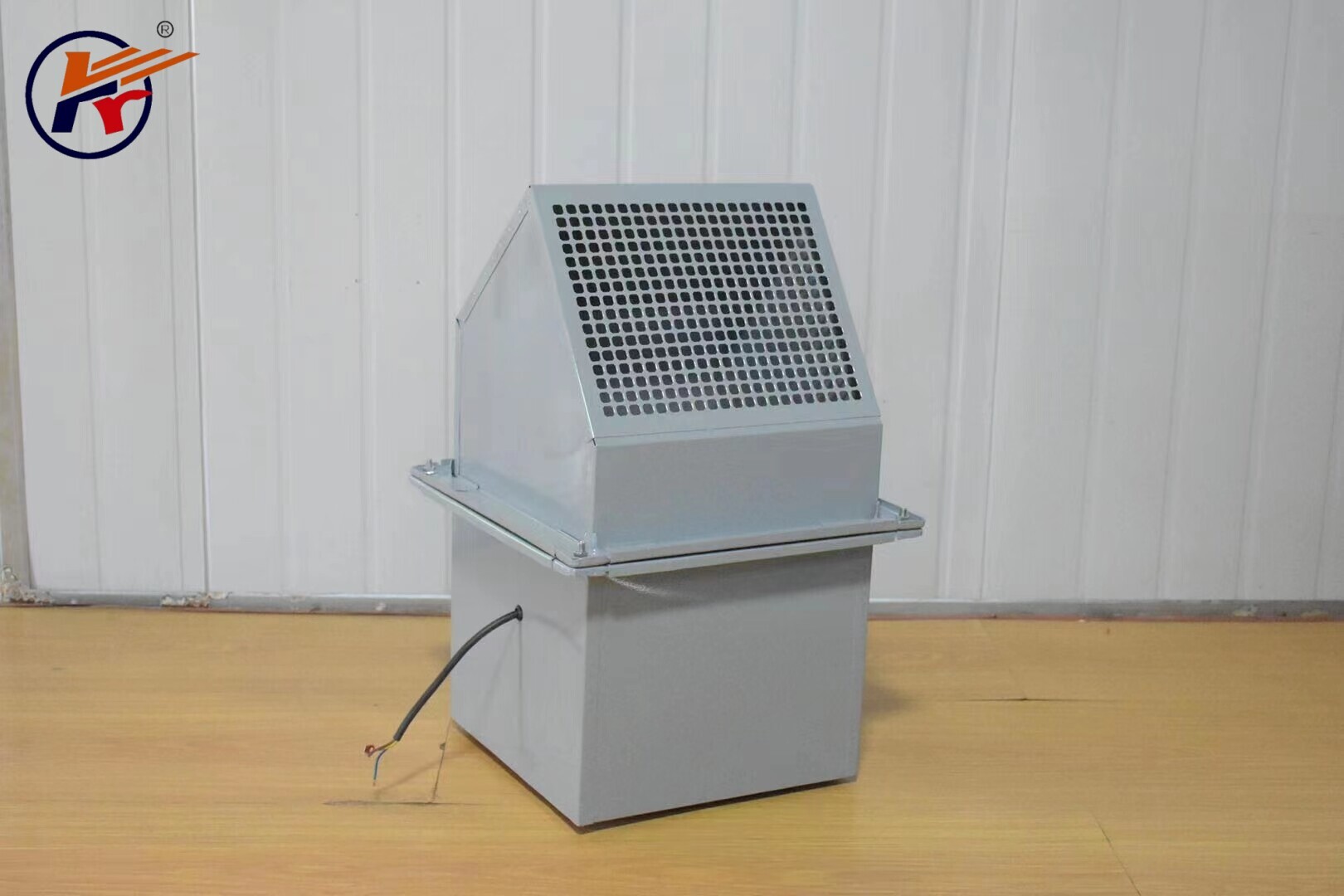
Step-by-Step Installation Guide for Wall-Mounted Fans (Safe & Compliant)
Proper installation of wall-mounted fans is critical to ensure safe operation, optimal performance, and long service life. This guide provides a detailed, easy-to-follow installation process, covering pre-installation preparation, tools required, step-by-step operations, and post-installation checks. Whether you’re a professional HVAC technician or a facility manager overseeing installation, following these guidelines will help you complete the task efficiently while complying with global safety standards (e.g., OSHA, IEC).
1. Pre-Installation Preparation & Safety Precautions
1.1 Safety First: Essential Rules
- Disconnect the power supply at the main circuit breaker before starting any work. Use a voltage tester to confirm there is no electrical current to avoid electric shock.
- Wear personal protective equipment (PPE), including safety goggles, work gloves, and non-slip shoes. For outdoor or high-height installations, use a stable ladder or scaffolding—never stand on unstable surfaces.
- Ensure the installation complies with local electrical codes (e.g., NEC in the US, BS 7671 in the UK) and ventilation standards. If you’re unsure about compliance, consult a certified electrician or HVAC professional.
- Check the fan’s weight and ensure the installation wall can support it. For heavy-duty industrial fans (over 50 lbs), reinforce the wall with load-bearing brackets or use a concrete/masonry wall (avoid drywall or lightweight partitions).
1.2 Tools & Materials Required
- Basic hand tools: Drill (with masonry or wood drill bits), screwdriver set (Phillips & flat-head), wrench set, level (preferably digital for accuracy), measuring tape, pencil, and stud finder (for wooden walls).
- Mounting hardware: Expansion bolts, anchor screws, and the mounting bracket included with the fan (ensure all hardware is corrosion-resistant, especially for outdoor installations).
- Electrical tools: Wire stripper, wire nuts, electrical tape, and a voltage tester.
- Additional materials: Sealant (for weatherproofing outdoor installations), foam gaskets (to reduce vibration), and cable clips (for organizing electrical wires).
1.3 Site & Fan Inspection
- Choose the right installation location: Avoid areas with direct sunlight (for indoor fans), strong wind drafts (for outdoor fans), or obstacles that block airflow (e.g., pipes, beams). The ideal height is 7-9 feet above the floor for indoor ventilation, and at least 1 foot away from walls or other structures for outdoor fans.
- Inspect the wall-mounted fan for any damage (e.g., bent blades, cracked housing) before installation. Check that all components (motor, brackets, wires) are intact and included as per the manufacturer’s manual.
- Verify the fan’s voltage and electrical specifications match the local power supply (e.g., 110V/220V). Mismatched voltage can damage the motor and void the warranty.
2. Step-by-Step Installation Process
Step 1: Mark the Mounting Position
1. Use a measuring tape and pencil to mark the center point of the installation location. Ensure the position is level and aligned with the desired airflow direction (e.g., for exhaust fans, align with the wall opening if applicable).
2. Place the mounting bracket against the wall and mark the positions of the screw holes with a pencil. Use a level to confirm the bracket is horizontal—this prevents the fan from tilting, which can cause vibration and noise.
3. For wooden walls, use a stud finder to locate wall studs. Mark the stud positions and align the bracket’s screw holes with the studs to ensure maximum stability. For concrete or masonry walls, mark the drill points directly on the wall.
Step 2: Drill Holes & Install the Mounting Bracket
1. Select the appropriate drill bit size (matching the expansion bolts or anchor screws). Drill holes at the marked positions—for concrete walls, use a masonry drill bit and apply steady pressure to avoid breaking the bit.
2. Clean the drill holes to remove dust and debris. Insert expansion bolts or anchors into the holes and tap them gently with a hammer to ensure they are fully seated.
3. Attach the mounting bracket to the wall using the provided screws. Tighten the screws securely with a wrench or screwdriver—ensure the bracket is firm and does not wobble. For outdoor installations, apply a layer of sealant around the bracket base to prevent water ingress.
Step 3: Wire the Fan (Electrical Connection)
1. Run the fan’s electrical wires through the wall opening (if applicable) or along the wall (use cable clips to secure the wires). Ensure the wires are not stretched or kinked, as this can cause electrical faults.
2. Strip ½ inch of insulation from the ends of the fan wires and the corresponding power supply wires. Typically, fan wires are color-coded: black (hot), white (neutral), and green or bare copper (ground).
3. Connect the wires as follows: Match the black fan wire to the black power supply wire, white to white, and green/bare copper to the ground wire. Secure each connection with a wire nut and wrap electrical tape around the nut for extra safety.
4. Tuck the connected wires into the electrical box (if provided) and close the box cover. Ensure no wires are exposed to avoid short circuits.
Step 4: Mount the Fan to the Bracket
1. With the help of an assistant (for heavy fans), lift the wall-mounted fan and align the fan’s mounting points with the bracket. Slide the fan onto the bracket until it locks into place (most models have a locking mechanism for secure attachment).
2. Use the provided set screws to fasten the fan to the bracket. Tighten the screws evenly to prevent uneven pressure on the fan housing.
3. For weatherproof models, install the gasket between the fan and the wall to seal gaps and prevent water or dust from entering. Apply additional sealant around the edges if necessary.
Step 5: Adjust Airflow Direction (If Applicable)
Most wall-mounted fans have adjustable tilt angles (0-90 degrees). Adjust the fan blades to the desired airflow direction: For cooling, direct the airflow downward toward the occupied area; for exhaust, direct it outward (for outdoor exhaust) or toward the wall opening.
3. Post-Installation Checks & Testing
3.1 Visual & Mechanical Checks
- Inspect all connections: Ensure the fan is securely mounted, screws are tight, and electrical wires are properly insulated.
- Check for vibration: Gently shake the fan to ensure there is no loose movement. If vibration is present, recheck the bracket installation and tighten any loose screws.
- Verify weatherproofing (outdoor fans): Ensure all gaps are sealed with sealant, and the fan’s housing is properly aligned to prevent water from pooling on top.
3.2 Operational Testing
- Restore the power supply at the main circuit breaker.
- Turn on the fan and test all speed settings (if applicable). Listen for unusual noises (e.g., grinding, rattling) — these may indicate misalignment or loose components.
- Check airflow: Hold a piece of paper in front of the fan to confirm consistent airflow. If airflow is weak, check for obstructions or adjust the blade angle.
- Monitor the motor temperature: After 10-15 minutes of operation, touch the fan’s housing (carefully, avoiding hot surfaces) — the motor should be warm but not overheated. Overheating may indicate a wiring issue or improper installation.
4. Common Installation Mistakes to Avoid
In industrial and commercial spaces, proper ventilation is critical for maintaining a safe, comfortable, and productive environment. Wall-mounted fans have emerged as a versatile and cost-effective ventilation solution, offering easy installation, space-saving design, and efficient air circulation. Whether you’re looking to cool a factory floor, remove fumes from a kitchen, or improve air quality in a warehouse, this guide covers everything you need to know about wall-mounted fans—from their core benefits and applications to selection criteria and energy-saving strategies.
1. What Is a Wall-Mounted Fan & Why It Matters for Ventilation?
A wall-mounted fan is a type of ventilation equipment designed to be mounted on walls, eliminating the need for floor or ceiling space. Unlike ceiling fans that primarily circulate air horizontally, wall-mounted fans can be adjusted to direct airflow vertically or horizontally, making them ideal for targeted ventilation. They are available in various types, including exhaust fans (for removing stale air, heat, and fumes) and supply fans (for bringing in fresh outdoor air), catering to different ventilation needs.
The key advantage of wall-mounted fans lies in their space efficiency. In crowded factories, narrow warehouses, or small commercial spaces where floor and ceiling space is at a premium, wall-mounted fans provide effective ventilation without disrupting workflow or layout. Additionally, their easy installation—typically requiring only a sturdy wall bracket and electrical connection—reduces installation time and costs compared to ducted ventilation systems.
2. Core Benefits of Wall-Mounted Fans for Industrial & Commercial Use
2.1 Space-Saving Design
Wall-mounted fans attach directly to walls, freeing up valuable floor and ceiling space. This is particularly beneficial for factories with heavy machinery, warehouses with high shelving, and small retail stores or restaurants where every square foot counts. Unlike portable fans that take up floor space and can be easily knocked over, wall-mounted fans are fixed and out of the way.
2.2 Efficient Ventilation & Heat Dissipation
High-velocity wall-mounted fans deliver powerful airflow (ranging from 1,000 to 10,000 CFM), effectively removing heat, fumes, and stale air from industrial and commercial spaces. In factories where machinery generates significant heat, wall-mounted exhaust fans can quickly dissipate heat, preventing overheating of equipment and improving worker comfort. For example, a 5,000 CFM wall-mounted fan can cool a 1,000 sq ft factory space in minutes, reducing the risk of heat-related illnesses.
2.3 Energy Efficiency & Cost Savings
Modern wall-mounted fans are equipped with high-efficiency motors (such as EC motors) that consume less energy than traditional ventilation systems. Energy-Star certified wall-mounted fans can reduce energy costs by up to 30% compared to standard fans. Additionally, their targeted ventilation approach means you only cool or ventilate the areas that need it, avoiding wasted energy on unoccupied spaces.
2.4 Easy Installation & Low Maintenance
Wall-mounted fans come with pre-drilled brackets and detailed installation instructions, allowing for quick and easy installation—most can be set up in less than an hour with basic tools. They also require minimal maintenance: regular cleaning of the fan blades and motor is usually sufficient to keep them running smoothly. Many models feature sealed motors that are protected from dust and debris, extending their lifespan.
2.5 Versatility & Adaptability
Wall-mounted fans are available in a wide range of sizes, airflow capacities, and designs to suit different applications. Weatherproof models (IP54 or higher) are suitable for outdoor use, such as loading docks or greenhouse ventilation. Explosion-proof models (ATEX or UL-certified) are designed for hazardous areas, such as chemical plants or refineries where flammable gases or dust may be present. Variable speed models allow for adjustable airflow, making them suitable for both summer cooling and winter air circulation.
3. Top Applications of Wall-Mounted Fans
3.1 Industrial Factories & Warehouses
Factories and warehouses are the most common applications for wall-mounted fans. They are used to remove heat generated by machinery, improve air circulation, and reduce humidity. In metalworking factories, wall-mounted exhaust fans help remove welding fumes and metal dust, ensuring compliance with EHS standards. In food warehouses, they regulate temperature and humidity to prevent spoilage of goods.
3.2 Commercial Kitchens & Restaurants
Commercial kitchens generate significant amounts of heat, smoke, and odors. Wall-mounted exhaust fans are essential for removing these pollutants, improving air quality for kitchen staff and preventing the spread of odors to dining areas. They also help reduce the risk of fire by removing grease-laden air.
3.3 Greenhouses & Agricultural Facilities
Wall-mounted fans play a crucial role in greenhouse ventilation, regulating temperature and humidity to create optimal growing conditions for crops. They help remove excess heat during summer and circulate warm air during winter, ensuring consistent growth. Weatherproof models are ideal for this application, as they can withstand outdoor elements.
3.4 Offices & Healthcare Facilities
Low-noise wall-mounted fans are suitable for offices, clinics, and hospitals, where quiet operation is essential. They improve air circulation, reducing stuffiness and improving indoor air quality. In healthcare facilities, they help prevent the spread of airborne pathogens by increasing air exchange rates.
4. How to Select the Right Wall-Mounted Fan?
4.1 Determine Your Ventilation Needs
First, identify whether you need an exhaust fan (to remove air) or a supply fan (to bring in air). For heat or fume removal, an exhaust fan is the best choice. For fresh air supply, opt for a supply fan. Next, calculate the required airflow (CFM) based on the size of the space. A general rule of thumb is to provide 10-20 CFM per square foot of space for industrial areas and 5-10 CFM per square foot for commercial areas.
4.2 Consider the Environment
Choose a fan that is suitable for the environment where it will be installed:
Outdoor or wet environments: Select a weatherproof fan with an IP54 or higher rating.Hazardous areas (chemicals, flammable dust): Choose an explosion-proof fan with ATEX or UL certification.Corrosive environments (chemical plants, coastal areas): Opt for a fan with a 304 or 316 stainless steel housing.Quiet environments (offices, hospitals): Look for a fan with a noise level of 55dB or lower.
4.3 Evaluate Energy Efficiency
Choose a fan with a high-efficiency motor (such as an EC motor) to reduce energy costs. Energy-Star certified fans are a good indicator of energy efficiency. Additionally, variable speed fans allow you to adjust airflow based on demand, further saving energy.
4.4 Check Installation Requirements
Ensure the fan comes with all necessary mounting hardware and that the wall can support its weight. For heavy-duty industrial fans, you may need to reinforce the wall. Consider the electrical requirements (voltage, amperage) and ensure the fan is compatible with your existing electrical system.
5. Energy-Saving Tips for Wall-Mounted Fan Operation
- Use variable speed fans to adjust airflow based on occupancy and temperature. Reduce speed during low-occupancy periods to save energy.
- Install thermostats or humidity sensors to automatically turn the fan on or off when needed. For example, set the fan to turn on when the temperature exceeds 85°F (29°C).
- Clean the fan blades and motor regularly to maintain efficiency. Dirty blades reduce airflow and increase energy consumption.
- Use a combination of wall-mounted fans and natural ventilation (windows, doors) to reduce reliance on mechanical ventilation during mild weather.
6. Case Study: Wall-Mounted Fans Improve Factory Ventilation & Reduce Costs
A 50,000 sq ft metalworking factory in Texas was struggling with high heat and welding fume buildup, leading to worker discomfort and increased energy costs from overusing air conditioning. The factory installed 15 high-velocity wall-mounted exhaust fans (5,000 CFM each) with EC motors. After installation:
Factory temperature reduced by 15°F (8°C), improving worker comfort and productivity.Welding fume levels dropped by 60%, ensuring compliance with OSHA standards.Energy costs reduced by 25% compared to the previous air conditioning-only system.Payback period for the fans was just 8 months.
7. Conclusion
Wall-mounted fans are a versatile, efficient, and cost-effective ventilation solution for industrial and commercial spaces. Their space-saving design, easy installation, and wide range of applications make them an ideal choice for factories, warehouses, restaurants, greenhouses, and offices. By selecting the right wall-mounted fan based on your ventilation needs, environment, and energy efficiency requirements, you can improve indoor air quality, enhance worker comfort, and reduce energy costs.
Whether you’re retrofitting an existing space or designing a new facility, wall-mounted fans offer a practical and reliable ventilation solution. To find the perfect wall-mounted fan for your application, contact our team of ventilation experts today for personalized recommendations and quotes.
Leave A Message
If you are interested in our products and want to know more details, please leave a message here, we will reply you as soon as we can.