



Recent News
- ▶ Flat wall-mounted wind-sand separator
- ▶ Air Cooled Condensing Unit | ACCU HVAC Refrigeration Unit
- ▶ Xinran NG Compressor System Passes FAW Jiefang Validation
- ▶ China's High-Power Diesel Generators Export Surge 131.81%
- ▶ High-Efficiency Industrial Centrifugal Fans Low-Noise Air Blower for Boiler Induced Draft Fans
- ▶ Explosion-Proof Ffrp Roof Exhaust Fan - FRP Material, High Efficiency for Industrial Use
Message
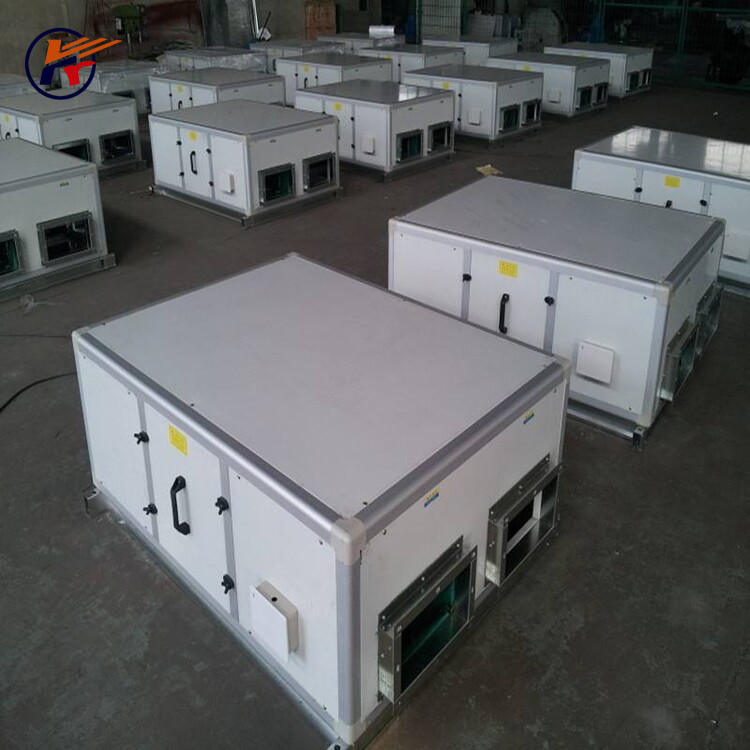
Recycle Your Indoor Air: How Heat Recovery Ventilators Cut Energy Bills by Up to 95%
Looking for a way to slash your building's heating and cooling costs while ensuring a constant supply of fresh, filtered air? The solution lies in a technology that has been optimizing energy use in Europe and America buildings for nearly half a century: the Heat Recovery Ventilator (HRV), also known as an Energy Recovery Ventilator (ERV).
What is a Heat Recovery Ventilator?
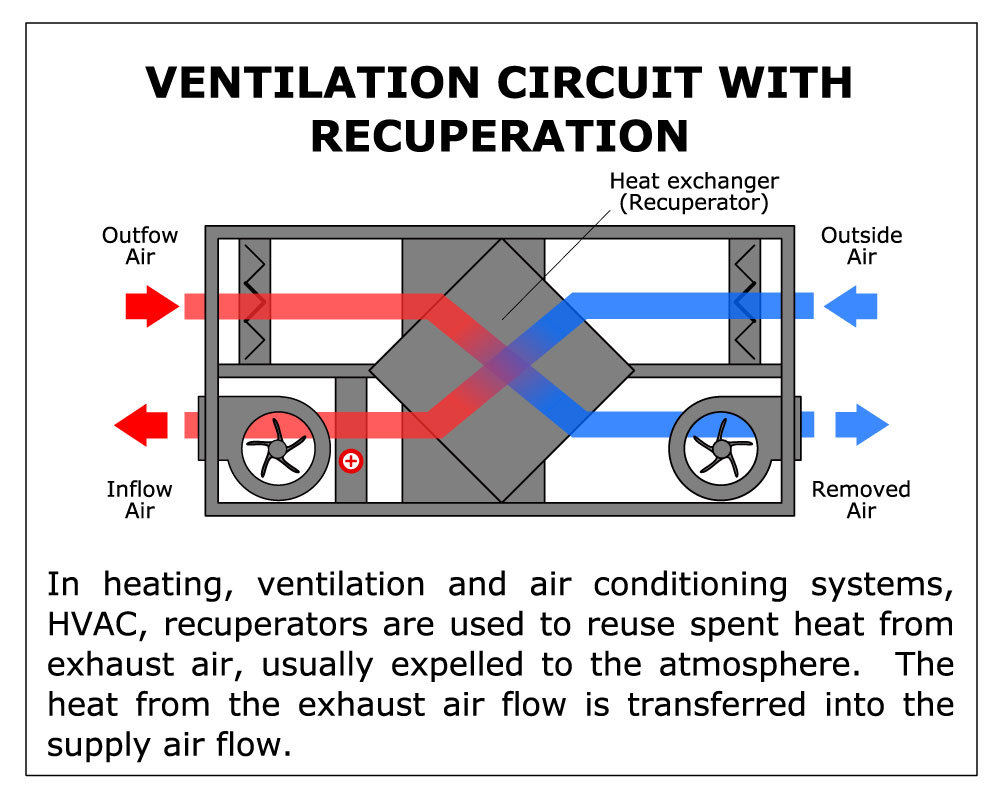
An HRV/ERV is an intelligent ventilation system designed to improve indoor air quality with minimal energy penalty. Its core function is to recover the thermal energy (heat or coolness) from the stale air being exhausted from a building and use it to precondition the incoming fresh outdoor air. By transferring up to 60-95% of this energy, the system significantly reduces the load on your HVAC system, leading to substantial energy savings.
How Does It Work?
The heart of the unit is a heat exchanger. As indoor exhaust air and outdoor fresh air pass through separate channels in the exchanger, energy is transferred without mixing the airstreams.
Sensible Heat Recovery (HRV): Transfers temperature only.
Total (Enthalpy) Heat Recovery (ERV): Transfers both temperature and moisture, crucial for managing humidity in different climates.
The pre-conditioned fresh air is then delivered indoors through a dedicated duct system, having passed through advanced filtration (often including electrostatic filters) to remove pollutants, allergens, and dust.
Why It's Gaining Traction
Initially popular in residential, commercial, and industrial settings in the West, this technology is now a cornerstone of green building standards worldwide. For regions with high heating or cooling demands, HRVs/ERVs offer a compelling return on investment by:
Dramatically lowering energy consumption for air conditioning and heating.
Providing continuous, filtered ventilation to remove stale air, VOCs, and excess humidity.
Improving indoor air quality and comfort year-round.
Key Components & Installation
Mainstream models utilize efficient plate, rotary (wheel), or heat pipe exchangers. For optimal performance:
Professional installation connecting to outdoor ducts is essential.
Units are often surface-mounted for easier maintenance.
Regular cleaning or replacement of filters is critical to maintain airflow and efficiency.
Many modern units feature smart climate controls for automated operation based on indoor air conditions.
In summary, the Heat Recovery Ventilator is no longer a niche product but a vital component for modern, energy-conscious, and healthy buildings. By intelligently recycling energy that would otherwise be wasted, it delivers fresh air and significant savings—making it a smart investment for both the planet and your utility bills.
Leave A Message
If you are interested in our products and want to know more details, please leave a message here, we will reply you as soon as we can.