



Recent News
- ▶ Box-Type FRP Centrifugal Fan: Corrosion-Resistant, High-Efficiency Ventilation Solution
- ▶ Roof Top Air Conditioner Unit - Air Cooled Packaged RTU for Industrial & Commercial Use
- ▶ Gas Heating Air Handling Units: What Every Facility Manager Needs to Know Before Buying
- ▶ How to Size a Gas Heating Air Handling Unit for Optimal Performance
- ▶ Case Study: How a Manufacturing Plant Improved Efficiency with Gas Heating Air Handling Units
- ▶ Gas vs Electric: Which Air Handling Unit is Right for Your Industrial Application?
Message
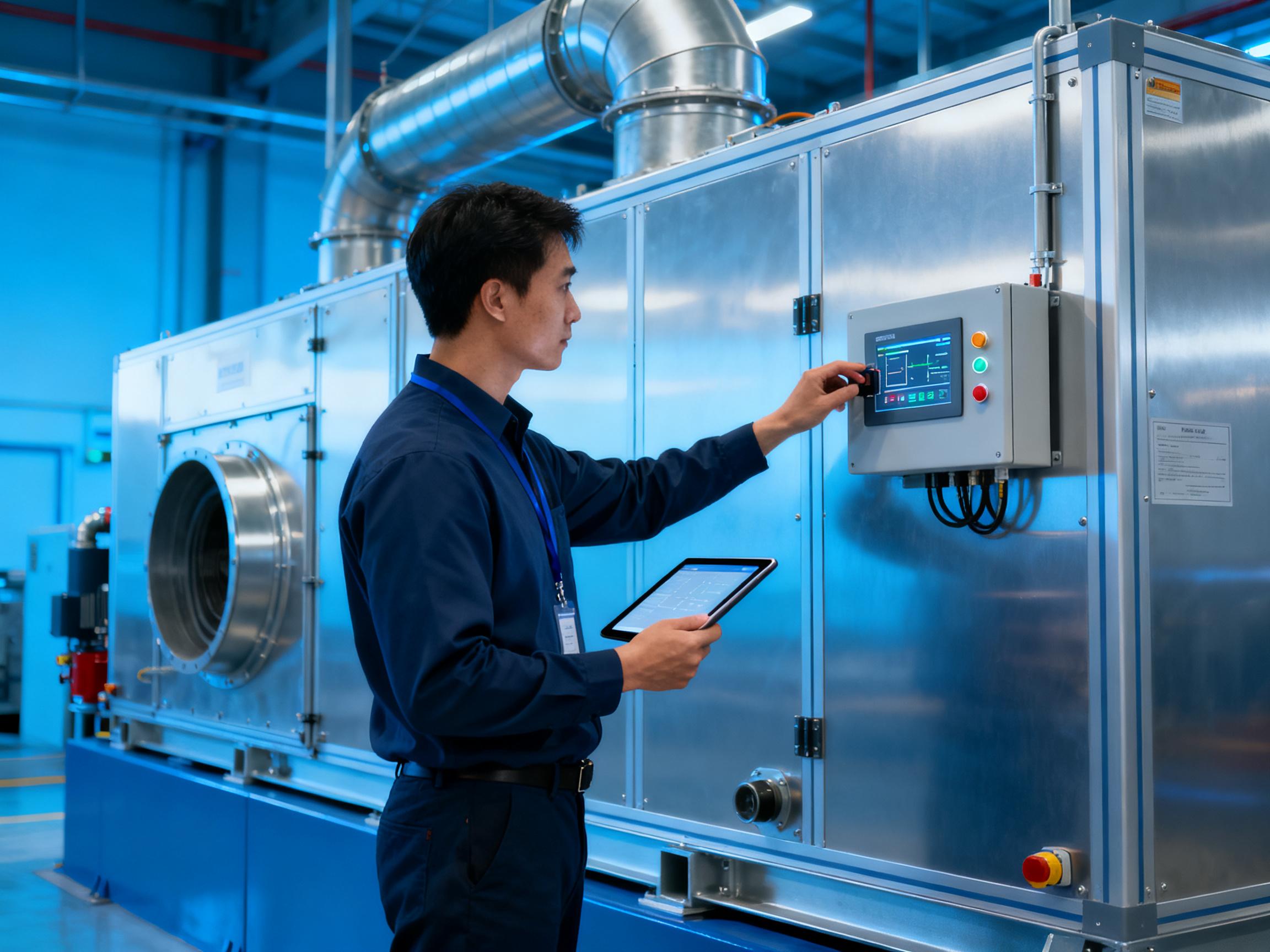
Gas heating air handling units are critical for efficient facility climate control, yet selecting the right system requires careful consideration of performance, safety, and operational costs. As a facility manager, understanding the key features, energy efficiency ratings, and maintenance requirements of these units can significantly impact your building's comfort and operational expenses. This guide explores essential factors every decision-maker should evaluate before investing in gas heating air handling solutions.
Definition and Core Components of Gas Heating Air Handling Units
Gas heating air handling units (AHUs) are integrated HVAC systems designed to regulate indoor air quality and temperature by combining gas-fired heating with air distribution. These units typically consist of a gas burner assembly, heat exchanger, blower fan, filtration system, and control panel. Advanced models may include energy recovery ventilators (ERVs) or variable frequency drives (VFDs) for enhanced efficiency. Unlike electric heating systems, gas-powered units leverage natural gas or propane combustion for thermal energy, offering faster heat-up times and lower operational costs in most climates.
Technical Performance and Efficiency Metrics
When evaluating gas heating AHUs, facility managers should prioritize three key performance indicators: thermal efficiency (AFUE rating), airflow capacity (measured in CFM), and static pressure tolerance. Modern high-efficiency units achieve AFUE ratings above 90%, with condensing technology recovering latent heat from exhaust gases. Look for units with ECM motors that adjust fan speed based on demand, reducing energy consumption by 30-50% compared to fixed-speed models. Noise levels (dB ratings) below 60 decibels ensure occupant comfort, while corrosion-resistant aluminum or stainless-steel heat exchangers extend equipment lifespan in humid environments.
Procurement Guide: 5 Critical Selection Factors
Cost Analysis and Alternative Solutions
While gas heating AHUs typically show 20-40% lower lifetime costs than electric resistance systems, facility managers should consider these financial aspects:
- Initial Investment: Commercial-grade units range from $15,000-$50,000 depending on capacity and features
- Operating Costs: Natural gas prices average $0.70-$1.50 per therm, yielding 3-5 year ROI versus electric
- Hybrid Alternatives: Dual-fuel systems combining gas heat with heat pump technology provide flexibility in volatile energy markets
- Rebate Opportunities: ENERGY STAR certified units may qualify for utility incentives up to $2,500 per installation
Why Choose Our Gas Heating Air Handling Solutions?
As a Shandong-based high-tech enterprise with 12+ years of HVAC manufacturing expertise, we deliver superior gas heating AHUs through:
- Innovative Engineering: Our 28-member R&D team develops patented burner technology achieving 95% AFUE efficiency
- Quality Assurance: ISO 9001-certified production across 80,000㎡ facility with rigorous 72-hour performance testing
- Custom Configurations: Modular designs adaptable to unique space requirements and retrofit projects
- Lifecycle Support: Comprehensive maintenance programs including remote monitoring options
FAQ: Addressing Common Concerns
Q: How often do gas heating AHUs require servicing?A: We recommend quarterly filter changes (monthly in high-particulate environments) and annual professional inspections of burners, heat exchangers, and flue systems.
Q: Can these units integrate with existing rooftop HVAC systems?A: Yes, our engineers specialize in retrofit solutions using custom transition plenums and control interface modules to maintain building automation continuity.
Q: What's the typical lifespan of your gas heating AHUs?A: With proper maintenance, our stainless-steel heat exchanger models operate 15-20 years—significantly longer than industry-average 12-year expectancy.
Leave A Message
If you are interested in our products and want to know more details, please leave a message here, we will reply you as soon as we can.