



Recent News
- ▶ Box-Type FRP Centrifugal Fan: Corrosion-Resistant, High-Efficiency Ventilation Solution
- ▶ Roof Top Air Conditioner Unit - Air Cooled Packaged RTU for Industrial & Commercial Use
- ▶ Gas Heating Air Handling Units: What Every Facility Manager Needs to Know Before Buying
- ▶ How to Size a Gas Heating Air Handling Unit for Optimal Performance
- ▶ Case Study: How a Manufacturing Plant Improved Efficiency with Gas Heating Air Handling Units
- ▶ Gas vs Electric: Which Air Handling Unit is Right for Your Industrial Application?
Message
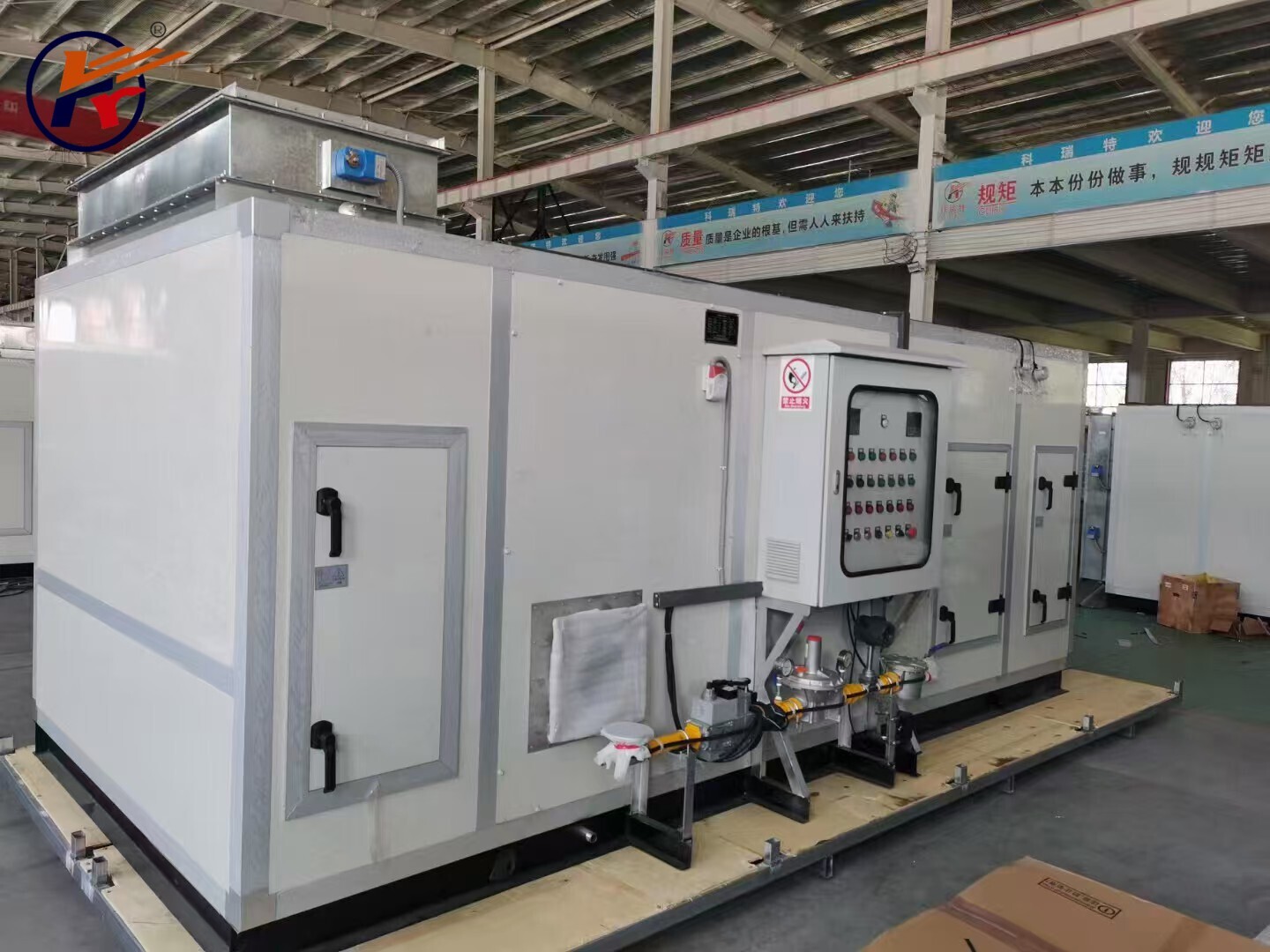
Choosing between gas-fired and electric air handling units (AHUs) is a critical decision for industrial applications, impacting efficiency, operational costs, and sustainability. As a leading manufacturer of HVAC solutions, we understand the complexities of selecting the right system. This guide explores the pros and cons of燃气加热送风机组 (gas-fired AHUs) versus electric alternatives, helping facility managers, engineers, and decision-makers optimize their ventilation infrastructure.
Understanding Gas-Fired vs. Electric Air Handling Units
Air handling units (AHUs) are essential components in industrial ventilation systems, responsible for circulating and conditioning air. The choice between gas-fired and electric models depends on multiple factors, including energy efficiency, installation costs, and operational requirements. Gas-fired AHUs, or燃气加热送风机组, utilize natural gas or propane as their primary energy source, offering rapid heating capabilities and lower operational costs in regions with affordable gas prices. Electric AHUs, on the other hand, rely on electricity, providing precise temperature control and easier integration with renewable energy sources. Both systems have distinct advantages, and understanding their differences is crucial for making an informed decision.
Key Considerations for Industrial Applications
When evaluating燃气加热送风机组 versus electric AHUs, several factors must be considered to ensure optimal performance and cost-effectiveness. Energy efficiency is a primary concern, as industrial facilities often operate 24/7, leading to significant energy consumption. Gas-fired units typically offer higher heating efficiency, especially in colder climates, while electric units excel in applications requiring precise humidity and temperature control. Installation costs also vary, with gas-fired systems often requiring additional infrastructure, such as gas lines and ventilation for combustion byproducts. Electric AHUs, while simpler to install, may incur higher long-term energy costs depending on local electricity rates. Additionally, maintenance requirements differ, with gas-fired units needing regular inspections for combustion safety, and electric units requiring less frequent but specialized servicing.
Technical Performance and Operational Parameters
The technical specifications of燃气加热送风机组 and electric AHUs play a pivotal role in their suitability for industrial applications. Gas-fired units are known for their high heating capacity, often reaching temperatures of 150°C or more, making them ideal for processes requiring intense heat. Electric AHUs, however, provide superior control over airflow and temperature, with advanced models featuring variable speed drives and smart thermostats. Noise levels are another consideration, as gas-fired units can be louder due to combustion processes, whereas electric units operate more quietly. Furthermore, the lifespan of these systems varies, with gas-fired AHUs typically lasting 15-20 years and electric units averaging 20-25 years, depending on maintenance and usage conditions.
Market Trends and Future Outlook
The HVAC industry is witnessing a shift towards sustainable and energy-efficient solutions, influencing the demand for燃气加热送风机组 and electric AHUs. With increasing emphasis on reducing carbon footprints, many industries are exploring hybrid systems that combine the strengths of both technologies. Government regulations and incentives for green energy adoption are also driving innovation, with manufacturers developing low-emission gas-fired units and high-efficiency electric models. As a forward-thinking company, we are committed to staying at the forefront of these trends, offering cutting-edge solutions that meet evolving industry standards and customer expectations.
Why Choose Our Solutions?
With over a decade of experience in the HVAC industry, our company has established itself as a trusted provider of燃气加热送风机组 and other ventilation solutions. Our extensive R&D capabilities, coupled with a commitment to quality and innovation, ensure that we deliver products tailored to your specific needs. Whether you require the robust performance of gas-fired AHUs or the precision of electric models, our team of experts is ready to assist you in selecting the optimal system for your industrial application. Contact us today to learn more about our products and services, and let us help you achieve superior ventilation performance with our state-of-the-art solutions.
Leave A Message
If you are interested in our products and want to know more details, please leave a message here, we will reply you as soon as we can.