



Recent News
- ▶ Flat wall-mounted wind-sand separator
- ▶ Air Cooled Condensing Unit | ACCU HVAC Refrigeration Unit
- ▶ Xinran NG Compressor System Passes FAW Jiefang Validation
- ▶ China's High-Power Diesel Generators Export Surge 131.81%
- ▶ High-Efficiency Industrial Centrifugal Fans Low-Noise Air Blower for Boiler Induced Draft Fans
- ▶ Explosion-Proof Ffrp Roof Exhaust Fan - FRP Material, High Efficiency for Industrial Use
Message
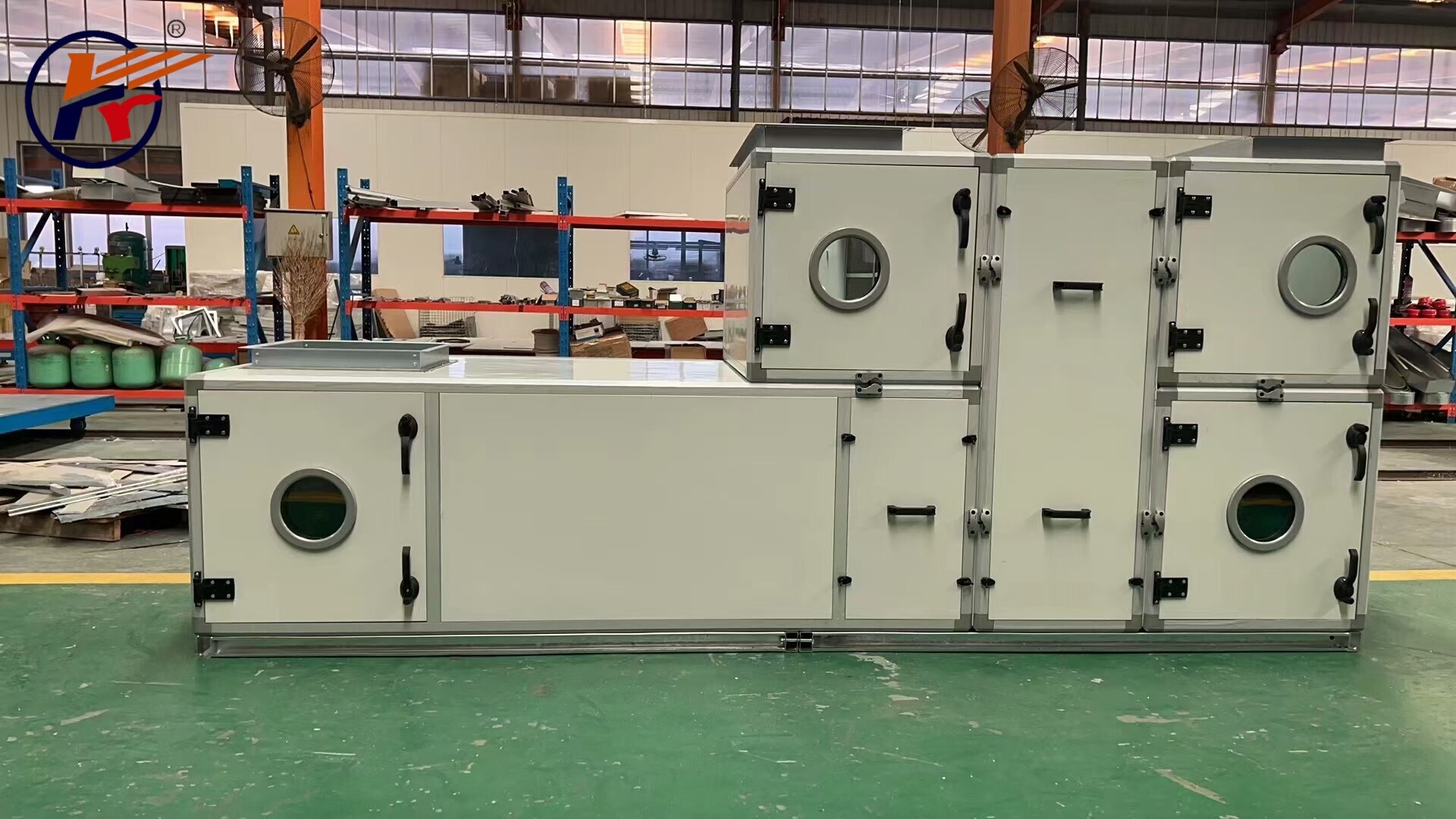
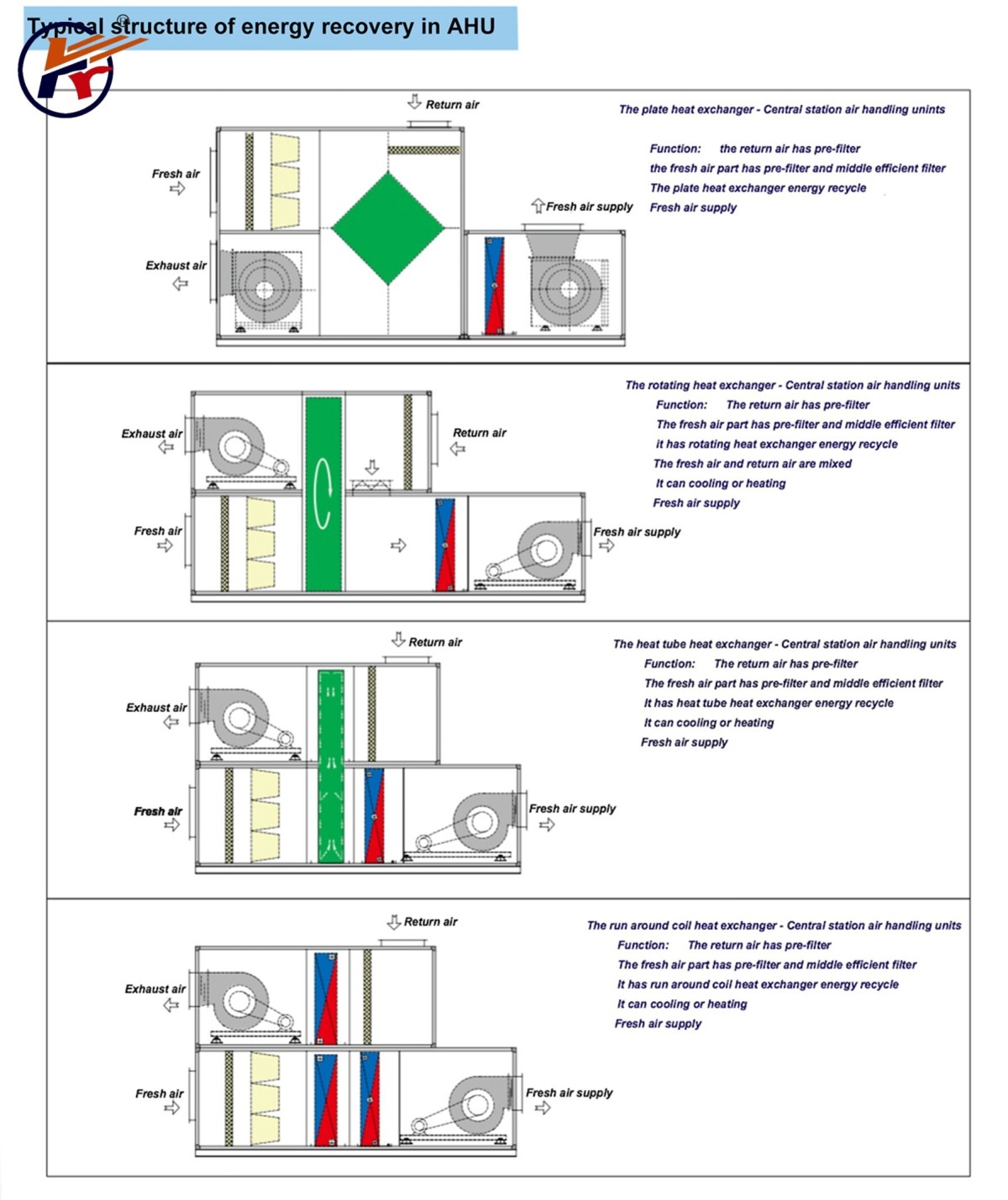
Modern energy-efficient HVAC systems often feature a critical component: the Energy Recovery Ventilator (ERV) or Energy Recovery Wheel. This technology is key to reducing energy costs while maintaining excellent indoor air quality. Let's explore its typical structure and operating principle.
Core Function:
The primary purpose of an energy recovery unit is to transfer heat and moisture between two separate airstreams—the stale, conditioned air being exhausted from a building and the fresh, untreated outdoor air being brought in. This pre-conditioning of incoming air drastically reduces the load on the main heating or cooling system.
Typical Structure & Key Components:
The Energy Recovery Core / Wheel
This is the heart of the system. It is a rotating cylinder filled with a specialized medium (often a honeycomb matrix made of polymer, aluminum, or composite materials). This medium is designed to efficiently absorb and release both heat (sensible energy) and moisture (latent energy).Casing / Housing
A durable, insulated enclosure that houses the wheel and separates the two airstreams. It ensures the supply and exhaust air flows remain distinct while allowing the wheel to rotate through both.Drive Motor and Belt/Pulley System
A small, low-energy motor and drive system that slowly rotates the wheel (typically between 10-20 RPM), constantly moving the medium between the supply and exhaust air channels.Airflow Sections & Seals
The housing is divided into two adjacent sectors for supply and exhaust air. Specialized purge sector seals prevent cross-contamination between the two airstreams, ensuring only energy is exchanged, not the air itself.Control System & Bypass
An integrated control panel allows for adjustment of wheel speed and system operation. In some climates, an automatic bypass damper is used to bypass the wheel when energy recovery is not beneficial (e.g., mild spring days).
How It Works (The Process):
Exhaust Air Stream: Warm, moist indoor air in summer (or warm, dry air in winter) passes through one side of the rotating wheel. The core material absorbs heat and moisture from this air.
Rotation: The wheel turns, carrying this captured energy to the other side.
Fresh Air Stream: Hot, humid outdoor air in summer (or cold, dry air in winter) passes through this now-energized section of the wheel. The core releases its stored heat and moisture into the incoming air, pre-warming or pre-cooling and humidifying/dehumidifying it.
Result: The fresh air enters the main HVAC system much closer to the desired indoor conditions, leading to significant energy savings (often 50-80% of the latent and sensible energy can be recovered) and improved comfort.
Benefits for Your Building:
Substantial Energy Savings: Lowers heating and cooling costs year-round.
Improved IAQ: Ensures a constant supply of fresh, filtered air while exhausting pollutants.
Reduced HVAC Equipment Load: Allows for downsizing of primary heating/cooling systems, lowering upfront costs.
Leave A Message
If you are interested in our products and want to know more details, please leave a message here, we will reply you as soon as we can.