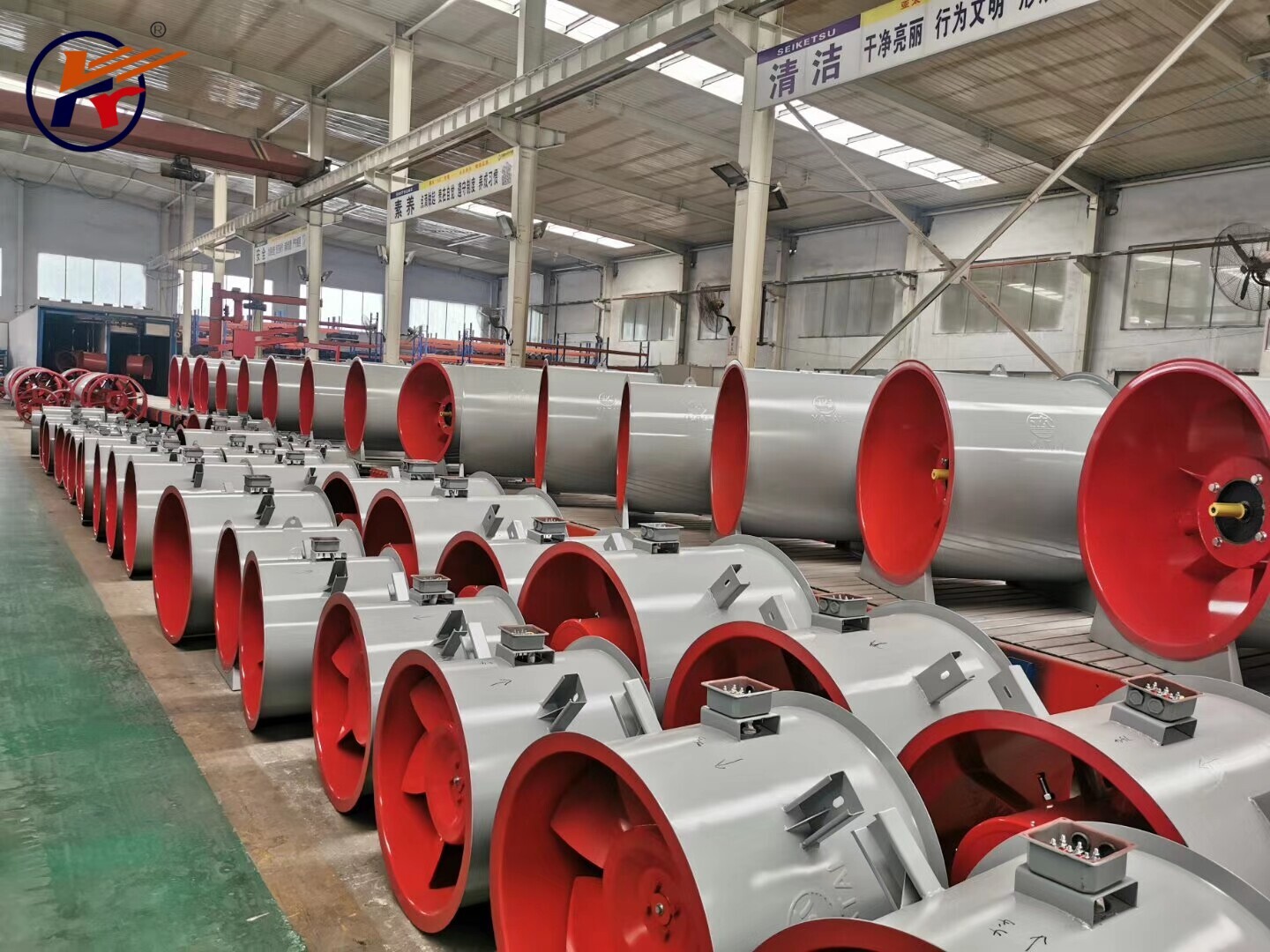
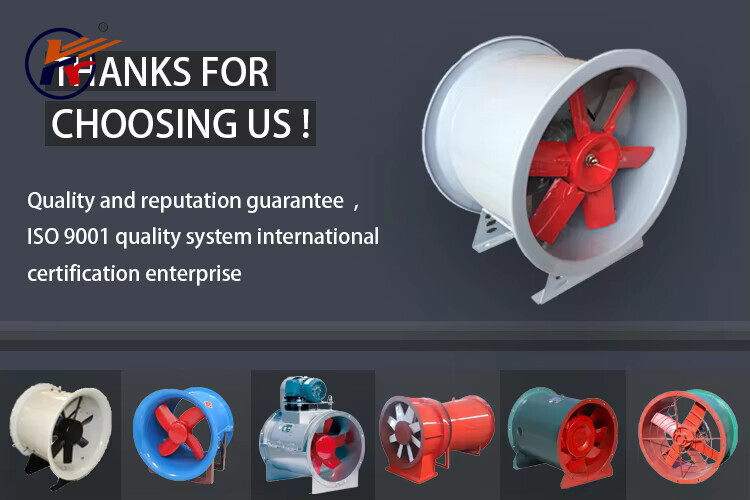
Chemical plants and oil refineries operate in high-risk environments where flammable gases, volatile vapors, and combustible dust are constant presences. Traditional ventilation fans—with their exposed electrical components and friction-prone parts—pose a severe hazard: a single spark or overheated motor can ignite airborne contaminants, triggering explosions or fires that threaten lives, destroy equipment, and disrupt operations. For these industries, safe air exchange isn’t just a convenience—it’s a non-negotiable safety requirement. The explosion-proof ventilation fan is engineered to eliminate this risk, delivering reliable airflow while adhering to strict safety standards, making it an indispensable tool for chemical and oil facilities.
At the heart of its safety design is compliance with global explosion-proof certifications, including ATEX (for European markets) and Class I, Division 1/2 (for North America)—standards specifically tailored to hazardous locations with flammable substances. Unlike standard fans, every component of the explosion-proof model is built to prevent ignition: the motor is encased in a rugged, flameproof housing that can contain any internal explosion without allowing flames or hot gases to escape and ignite external vapors. Electrical connections are sealed with explosion-proof gaskets, and wiring is rated for high-temperature and corrosive environments, eliminating the risk of short circuits that could spark. Even moving parts like fan blades are made from non-sparking materials (such as aluminum bronze or reinforced plastic), ensuring they won’t generate friction-induced sparks when in motion.
Beyond its explosion-proof credentials, the fan is designed to meet the unique ventilation needs of chemical plants and refineries. These facilities require powerful airflow to remove toxic fumes (e.g., benzene, hydrogen sulfide) and maintain safe oxygen levels—especially in confined spaces like storage tanks, reaction vessels, or loading docks. Most explosion-proof models offer high CFM (cubic feet per minute) ratings (ranging from 1,000 to 10,000 CFM), capable of exchanging air in large areas quickly to prevent the buildup of hazardous substances. For oil refineries, where vapor concentrations can fluctuate with temperature and production cycles, many fans include variable speed controls, allowing operators to adjust airflow based on real-time hazard levels—boosting efficiency while maintaining safety.
Durability is another critical feature for these harsh environments. Chemical plants and refineries expose equipment to corrosive chemicals, high humidity, and extreme temperatures (from freezing winters to scorching summers). Explosion-proof ventilation fans are constructed with corrosion-resistant materials: stainless steel housings resist chemical damage, while epoxy coatings protect internal components from rust and degradation. This robust build ensures the fan can operate continuously—often 24/7 in critical areas—with minimal maintenance, reducing downtime and lowering long-term costs.
Real-world applications highlight its life-saving impact. A chemical plant in Texas previously relied on non-explosion-proof fans in its solvent storage area; after a fan motor sparked and ignited ethanol vapors (resulting in a small fire and $500,000 in damages), the facility upgraded to explosion-proof models. Since installation, they’ve maintained zero ignition incidents, even during peak production when solvent vapor levels are highest. An oil refinery in the Middle East uses explosion-proof fans in its crude oil loading bays, where they not only prevent explosions but also remove noxious fumes, improving air quality for workers and reducing respiratory health risks.
For chemical plants and oil refineries, the explosion-proof ventilation fan is more than just a ventilation tool—it’s a critical safety barrier. By combining strict explosion-proof design, powerful airflow, and rugged durability, it addresses the dual challenges of maintaining safe air quality and preventing catastrophic hazards, ensuring operations run smoothly while protecting people and assets.

Fan Series(通风机).pdf