



Get Free Samples
Recent News
- ▶ Flat wall-mounted wind-sand separator
- ▶ Air Cooled Condensing Unit | ACCU HVAC Refrigeration Unit
- ▶ Xinran NG Compressor System Passes FAW Jiefang Validation
- ▶ China's High-Power Diesel Generators Export Surge 131.81%
- ▶ High-Efficiency Industrial Centrifugal Fans Low-Noise Air Blower for Boiler Induced Draft Fans
- ▶ Explosion-Proof Ffrp Roof Exhaust Fan - FRP Material, High Efficiency for Industrial Use
Message
How to Stop Cold Air Infiltration? Industrial Air Curtain for Winter Warmth
Time : Nov 17, 2025
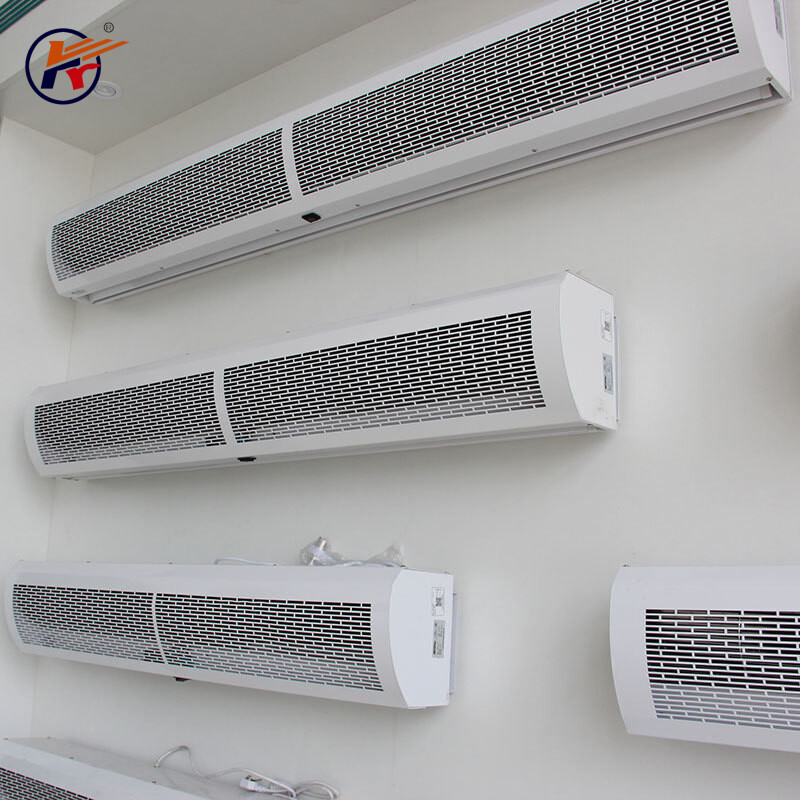
As winter temperatures drop, industrial facilities—from warehouses and manufacturing plants to loading docks and distribution centers—face a costly challenge: cold air infiltration. When external cold air seeps through open doors (a necessity for forklift traffic, product loading, or staff movement), it disrupts indoor temperature stability, forces HVAC systems to work overtime, and drives up energy bills. Worse, inconsistent temperatures can damage sensitive equipment, slow down production, and create uncomfortable working conditions for employees. The solution? An industrial air curtain—engineered to block cold air infiltration while keeping operations running smoothly, making it a winter essential for industrial spaces.
Industrial air curtains stop cold air infiltration by creating an invisible, high-velocity air barrier across doorways. Unlike traditional plastic strips or draft stoppers (which hinder access and wear out quickly), air curtains use a powerful fan system to blow a continuous stream of air downward, forming a “shield” that separates indoor warm air from outdoor cold air. For winter use, many models include a heating function—either electric or hot water-powered—that pre-warms the air barrier, further preventing cold air from seeping in and reducing the load on your facility’s heating system. This design works even when doors are left open for extended periods (e.g., during peak loading hours), ensuring a consistent indoor temperature without sacrificing accessibility.
The benefits of using an industrial air curtain for winter warmth extend far beyond temperature control. First, it slashes energy costs: studies show that industrial air curtains can reduce heating energy loss by up to 35% in facilities with frequent door openings. For a 10,000 sq. ft. warehouse with a 3m-wide loading door, this translates to savings of 4,000 per winter, depending on local energy rates. Second, it protects equipment and products: cold air infiltration can cause pipes to freeze, electronics to malfunction, or temperature-sensitive goods (e.g., chemicals, pharmaceuticals, or food ingredients) to degrade—risks that the air curtain’s stable barrier eliminates. Third, it improves employee comfort: by maintaining a steady indoor temperature (typically 18–22°C), it reduces cold drafts and fatigue, boosting productivity and lowering absenteeism during winter months.
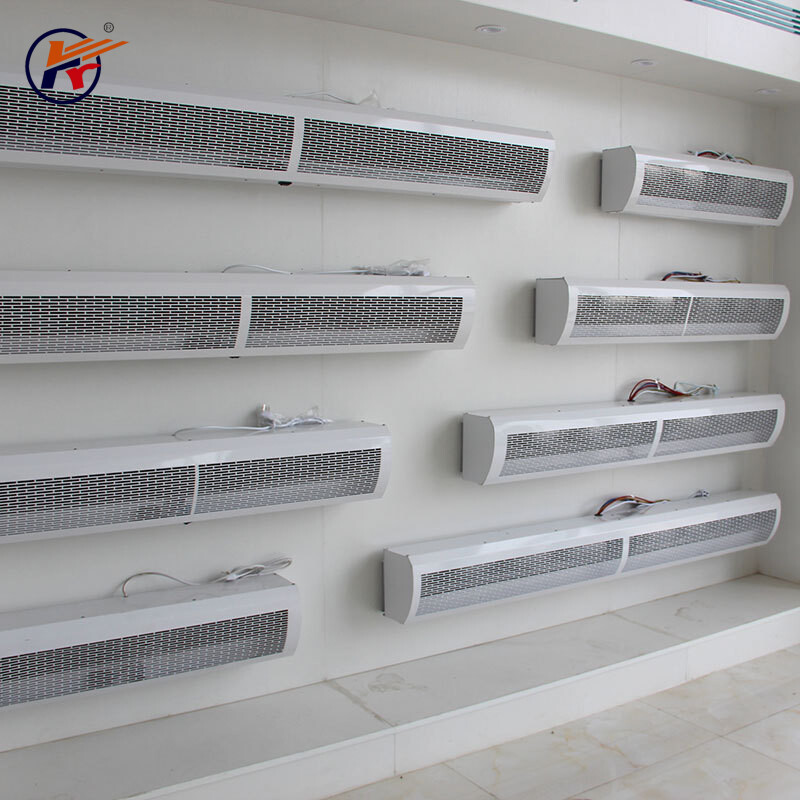
When choosing an industrial air curtain for winter use, key features to prioritize include size compatibility (match the unit to your door width—most models fit 2m–5m openings), heating capacity (measured in kW; opt for higher capacity for extremely cold climates), and durability (look for corrosion-resistant materials like galvanized steel to withstand industrial wear and tear). Many modern units also include smart controls, such as thermostats that auto-adjust airflow and heating based on outdoor temperature, or door sensors that activate the air curtain only when doors are open—further optimizing energy efficiency.
Real-world applications highlight its effectiveness: a midwestern U.S. manufacturing plant with three 4m-wide loading doors struggled with winter heating bills exceeding $15,000 monthly before installing industrial air curtains. After installation, their heating costs dropped by 32%, and indoor temperatures stayed consistent even during sub-zero weather. A European warehouse storing frozen foods (which requires keeping indoor temperatures cold, but preventing excess cold air infiltration to reduce freezer load) also saw benefits—their freezer system runtime decreased by 20%, extending equipment life and cutting maintenance costs.
For industrial facilities grappling with cold air infiltration this winter, an industrial air curtain isn’t just a convenience—it’s a cost-effective, reliable solution that protects your bottom line, equipment, and employees. By creating a powerful air barrier that blocks cold drafts while keeping operations flowing, it turns winter’s biggest heating challenges into a non-issue.
Leave A Message
If you are interested in our products and want to know more details, please leave a message here, we will reply you as soon as we can.