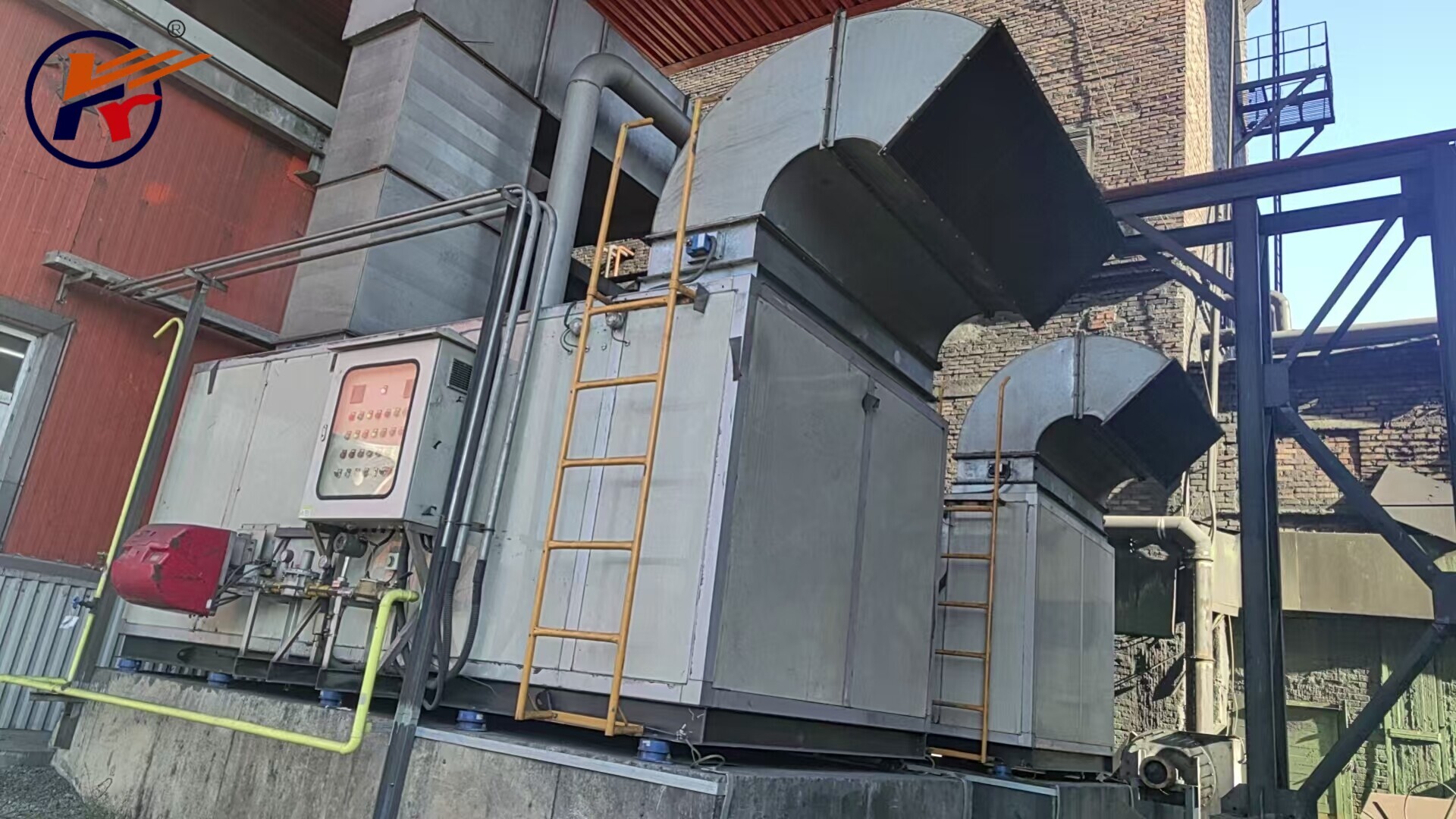
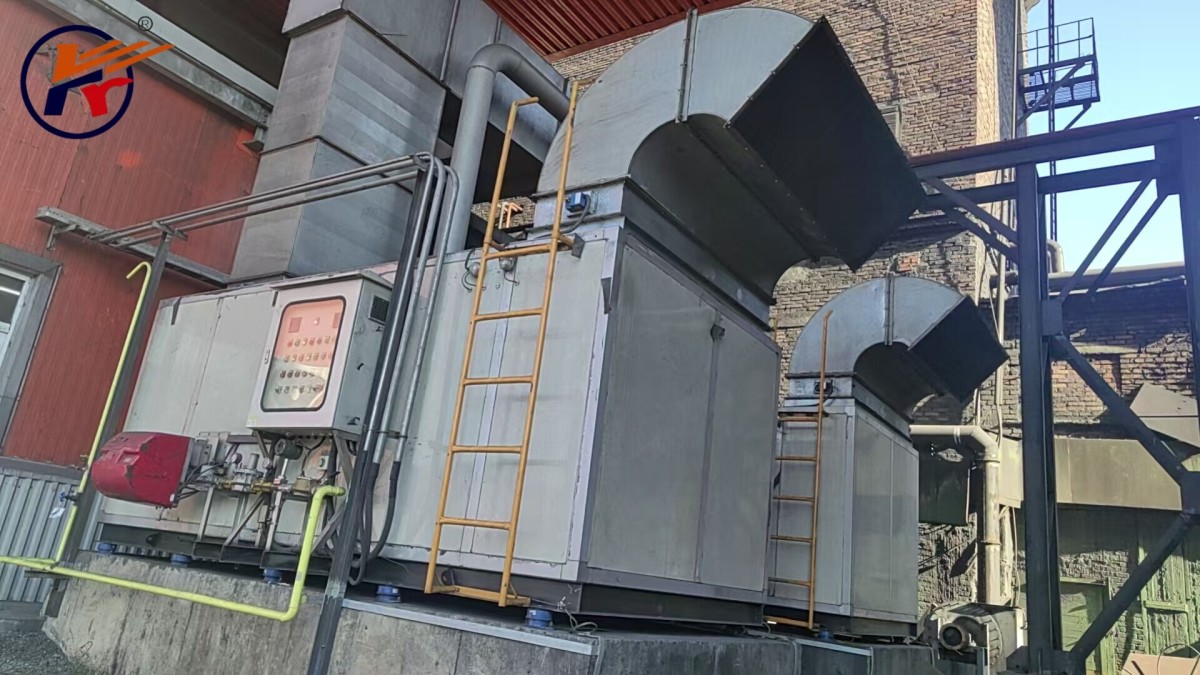
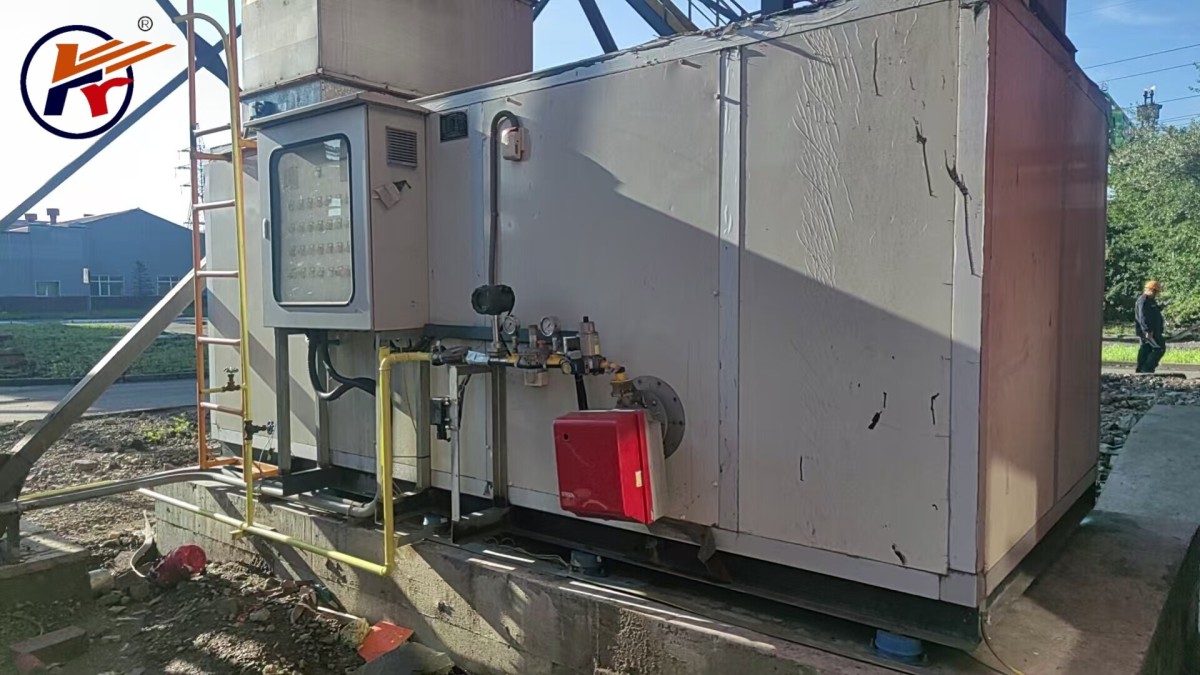
A Natural Gas Air Handling Unit (NG-AHU) is an HVAC device that takes natural gas (or liquefied petroleum gas, LPG) as its core energy source, integrating air conditioning, ventilation, and temperature control in one system. It achieves air treatment primarily through gas combustion or gas-driven heat pump systems, and is mainly categorized into two types:
- Indirect Combustion Type: Transfers heat via heat exchangers, with combustion by-products not directly entering the indoor air flow. Suitable for places requiring high air cleanliness (e.g., hospitals, pharmaceutical factories).
- Direct Combustion Type: Combustion-generated heat is directly integrated into the air flow, with a thermal efficiency of nearly 100%. Ideal for large-space ventilation needs such as industrial workshops and warehouses.
Taking the mainstream gas-driven heat pump unit as an example, the system consists of three core modules: power system, heat pump system, and waste heat recovery system:
- Energy Supply: Natural gas burns in the gas engine, with 30%-35% of the heat converted into mechanical energy to drive the compressor.
- Temperature & Humidity Regulation: Through vapor compression cycle, it absorbs indoor heat and discharges it outdoors during cooling; during heating, it extracts heat from the outdoor air (including engine waste heat) and transfers it indoors.
- Air Purification: Equipped with multi-stage filters (e.g., primary and medium-efficiency filters), and supplements 100% fresh outdoor air to prevent negative pressure and air quality deterioration in buildings.
- Waste Heat Recovery: Recovers heat from engine jacket water and flue gas (flue gas temperature can be lower than 100℃), enabling "cooling/heating + domestic hot water" triple supply.
- Low-Temperature Adaptability: No significant attenuation of heating capacity at -10℃, outperforming traditional air-source heat pumps.
- Intelligent Control: Supports connection to DDC (Direct Digital Control) building automation systems, allowing remote monitoring of operating status (e.g., control via mobile APP).
With its characteristics of "high power, wide adaptability, and low energy consumption", it is widely used in the following scenarios:
- Industrial Sector: Factory workshops, large warehouses (requiring continuous ventilation and temperature control).
- Commercial Buildings: Hotels, shopping malls, office buildings (supports zoned temperature control to avoid cross-contamination).
- Public Venues: Airports, railway stations, stadiums (meets high air volume needs of large spaces).
- Special Places: Hospitals, pharmaceutical factories (indirect combustion type ensures air cleanliness).
- Low Operating Costs: Natural gas energy costs are lower than electricity, and it is eligible for energy subsidies (e.g., Canada's Energir Rebates).
- Flexible Installation: Supports indoor/outdoor installation, no need for complex machine rooms, shortening the construction period by more than 30%.
- Environmental Protection & Energy Saving: Reduces CO₂ emissions by 20%-30% compared with electric-driven systems, aligning with the "dual carbon" goals.
- Convenient Maintenance: Maintenance intervals can be as long as 10,000 hours, supporting remote diagnosis without the need for on-site personnel on duty.
Application Cases:
New Coking Project of MMK (Magnitogorsk Iron and Steel Works) in Russia