



Recent News
- ▶ Flat wall-mounted wind-sand separator
- ▶ Air Cooled Condensing Unit | ACCU HVAC Refrigeration Unit
- ▶ Xinran NG Compressor System Passes FAW Jiefang Validation
- ▶ China's High-Power Diesel Generators Export Surge 131.81%
- ▶ High-Efficiency Industrial Centrifugal Fans Low-Noise Air Blower for Boiler Induced Draft Fans
- ▶ Explosion-Proof Ffrp Roof Exhaust Fan - FRP Material, High Efficiency for Industrial Use
Message
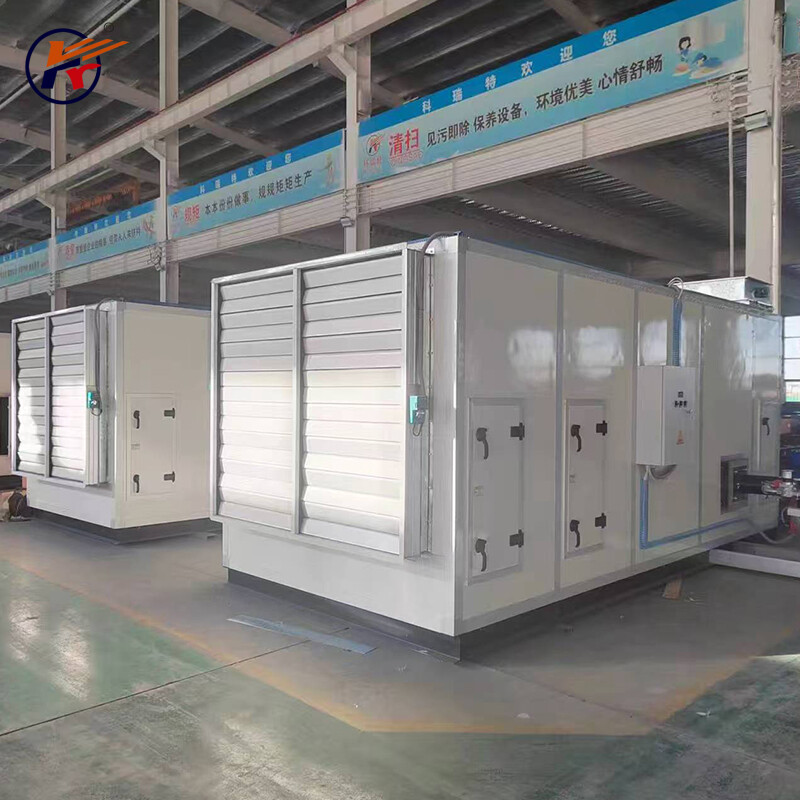
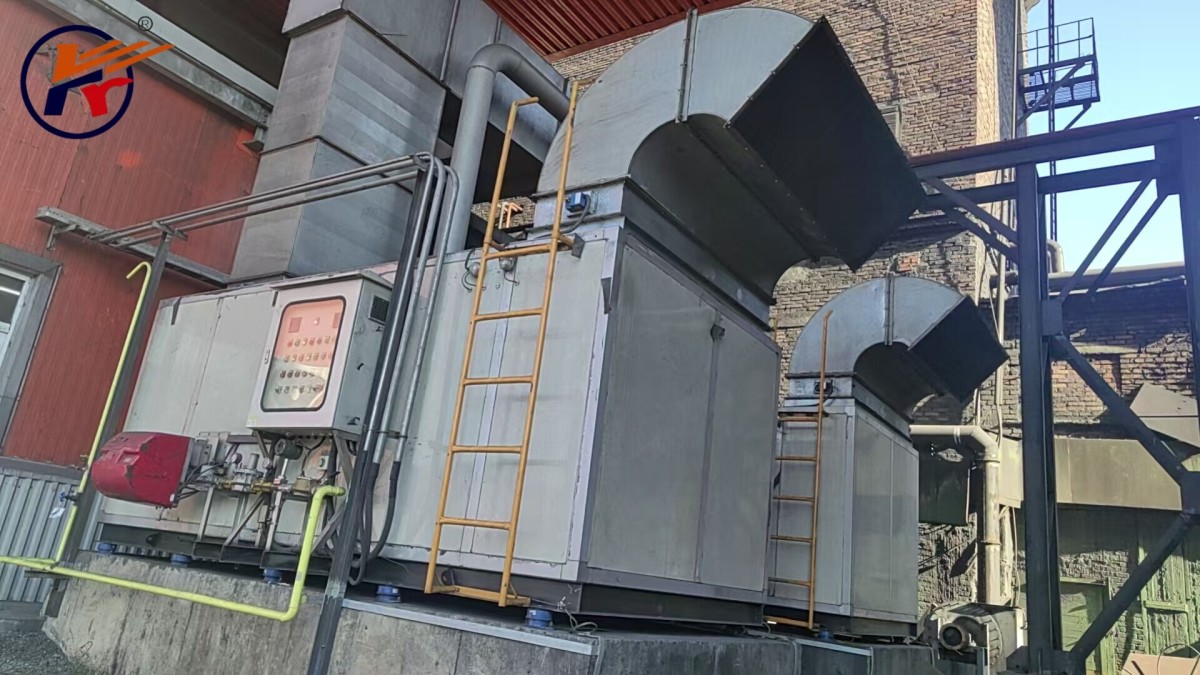
Title: Indirect-Fired Heating & Ventilating Units: A Complete Guide to Safe, Efficient HVAC
Content:
What is Indirect-Fired Heating & Ventilating?
Indirect-Fired Heating & Ventilating (IFHV) is a superior method of providing warm, fresh air to large commercial and industrial spaces. Unlike direct-fired systems that mix combustion gases with the supply air, indirect-fired units use a sealed heat exchanger. This critical design separates the combustion process from the air stream, delivering only clean, safe, and high-quality heated air into your workspace.
Key Benefits & Applications
Why choose indirect-fired technology for your facility? The advantages are clear:
Uncompromising Safety & Air Quality: Combustion fumes are completely vented outside. This makes IFHV units the ideal and often mandatory choice for spaces where air quality is critical, such as:
Manufacturing plants & warehouses
Automotive shops & repair facilities
Agricultural buildings & greenhouses
Food processing & storage areas
Facilities with airborne contaminants or dust
High Efficiency & Cost Savings: Advanced heat exchangers capture maximum thermal energy from the combustion process, achieving thermal efficiencies often over 90%. This dramatically reduces fuel costs and lowers your total operating expenses.
Reliable Performance: Designed for demanding environments, these units provide powerful, consistent heating and ventilation even in large, high-ceiling buildings with high air exchange requirements.
Versatile Ventilation: They excel at providing tempered make-up air, replacing exhausted air to maintain building pressure, prevent negative air, and eliminate cold drafts.
How Indirect-Fired Systems Work
The process is straightforward and effective:
Combustion: A burner fires within a sealed combustion chamber.
Heat Transfer: Hot flue gases pass through a high-grade heat exchanger.
Air Heating: Separate, clean building air is blown across the exterior of the hot heat exchanger, absorbing the heat without contacting exhaust gases.
Distribution: The now-heated, clean air is distributed throughout your facility via a duct system.
Exhaust: Combustion byproducts are safely vented directly outside.
Is Indirect-Fired Heating Right for You?
If your priority is safe, efficient, and clean heating for a commercial, industrial, or sensitive environment, then an indirect-fired system is likely the optimal solution. It is the industry standard for applications where employee safety, product integrity, and fuel efficiency are paramount.
Find Your Ideal Indirect-Fired Heating Solution
Explore our range of robust and efficient indirect-fired heating and ventilating units. Our experts can help you select the perfect model for your facility's size, layout, and specific air quality requirements. Request a quote or contact us today for a personalized consultation to improve your space's comfort, safety, and operating efficiency.
Optimization Notes:
Keywords: Naturally integrates primary terms ("Indirect-Fired Heating and Ventilating," "IFHV") and related phrases ("make-up air," "heat exchanger," "combustion fumes," "industrial heating").
Structure: Uses clear headers (H2, H3) for scannability and SEO.
Content Value: Provides comprehensive, useful information that answers potential customer questions, encouraging longer page visits and engagement.
Call to Action (CTA): Concludes with a clear next step for the user.

Leave A Message
If you are interested in our products and want to know more details, please leave a message here, we will reply you as soon as we can.