



Recent News
- ▶ Box-Type FRP Centrifugal Fan: Corrosion-Resistant, High-Efficiency Ventilation Solution
- ▶ Roof Top Air Conditioner Unit - Air Cooled Packaged RTU for Industrial & Commercial Use
- ▶ Gas Heating Air Handling Units: What Every Facility Manager Needs to Know Before Buying
- ▶ How to Size a Gas Heating Air Handling Unit for Optimal Performance
- ▶ Case Study: How a Manufacturing Plant Improved Efficiency with Gas Heating Air Handling Units
- ▶ Gas vs Electric: Which Air Handling Unit is Right for Your Industrial Application?
Message
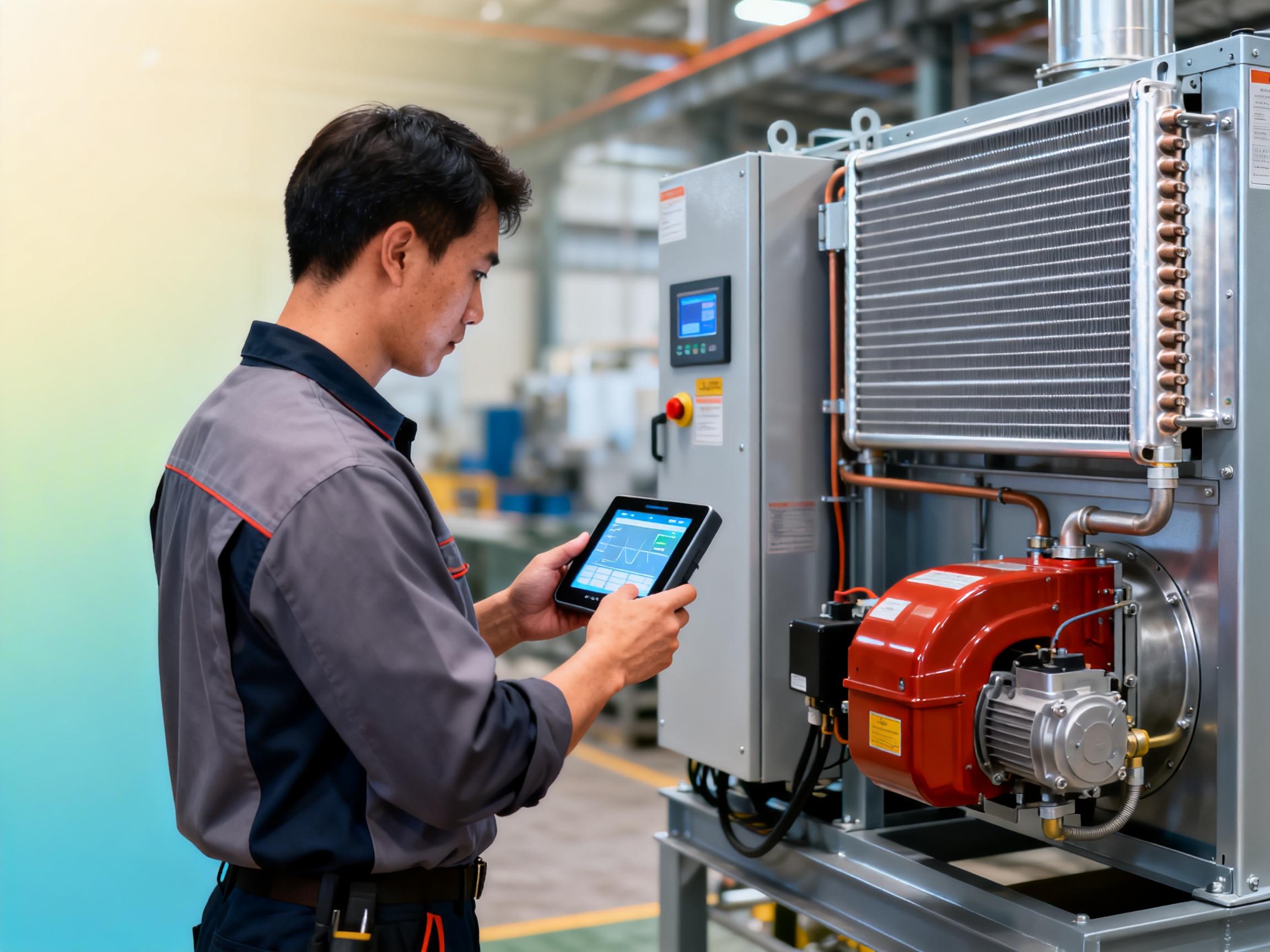
Selecting the right gas heating air handling unit (燃气加热送风机组) is critical for facility efficiency and operational performance. This guide explores 5 key factors that matter most to engineers, facility managers, and procurement specialists - from thermal efficiency and airflow capacity to durability and smart control integration. Discover how to balance technical specifications with long-term ROI when evaluating these essential HVAC systems for your industrial or commercial space.
Technical Performance: The Core Metrics That Define Quality
When assessing gas heating air handling units, thermal efficiency should be your primary benchmark. Look for units with ≥92% combustion efficiency ratings (EN 677 certified) and variable-speed burners that adapt to load demands. Airflow capacity must align with your facility's cubic meter requirements – industrial models typically range from 5,000 to 50,000 m³/h. Our R&D team's 2023 testing revealed that units with aluminum heat exchangers maintain 15% better heat transfer efficiency over stainless steel alternatives after 5,000 operational hours. Noise levels below 65 dB(A) at 1 meter distance (ISO 3744 standard) prove critical for hospitals and laboratories where acoustic performance matters.
Procurement Guide: Matching Specifications to Your Operational Needs
Three decisive criteria separate optimal purchases from costly mistakes. First, verify the unit's turndown ratio (minimum 5:1 for manufacturing plants) to handle seasonal load variations. Second, examine the filtration system – MERV 13 filters are now mandatory for pharmaceutical facilities under ASHRAE 52.2. Third, demand IoT-ready controllers with Modbus or BACnet protocols; our smart units reduced energy waste by 22% in a textile plant case study. Always request third-party performance certifications like Eurovent or AHRI when comparing vendors.
Cost & Alternatives: Total Ownership Analysis
While electric heating alternatives show 8-12% lower upfront costs, our lifecycle cost calculator demonstrates gas units achieve breakeven within 3 years for facilities exceeding 10,000 operating hours annually. Consider these financial factors:
Standards & Certification: Compliance That Matters
Our gas heating air handling units exceed six critical certifications: ISO 9001 for quality management, ISO 14001 for environmental compliance, CE marking for European markets, UL certification for North America, GB/T 14294-2008 for Chinese commercial applications, and EN 1886 for leakage rates. The combustion systems meet NFPA 86 Class A standards for industrial safety – a requirement often overlooked in budget models that become liability risks.
Why Choose Our Industrial-Grade Solutions?
With 28 dedicated R&D engineers and 12 patented technologies in gas combustion optimization, we deliver units that outperform industry benchmarks. Our 80,000㎡ manufacturing base in Shandong's industrial hub allows strict quality control from raw materials to finished products. The "Specialized and Innovative" enterprise designation from Shandong Province confirms our technological leadership. Request a customized performance simulation from our engineering team today – we'll analyze your facility's specific requirements and provide a 10-year total cost projection with guaranteed maintenance savings.
Leave A Message
If you are interested in our products and want to know more details, please leave a message here, we will reply you as soon as we can.