



Get Free Samples
Recent News
- ▶ Flat wall-mounted wind-sand separator
- ▶ Air Cooled Condensing Unit | ACCU HVAC Refrigeration Unit
- ▶ Xinran NG Compressor System Passes FAW Jiefang Validation
- ▶ China's High-Power Diesel Generators Export Surge 131.81%
- ▶ High-Efficiency Industrial Centrifugal Fans Low-Noise Air Blower for Boiler Induced Draft Fans
- ▶ Explosion-Proof Ffrp Roof Exhaust Fan - FRP Material, High Efficiency for Industrial Use
Message
Fresh Air Modular AHU for Large Malls: What to Choose?
Time : Nov 19, 2025
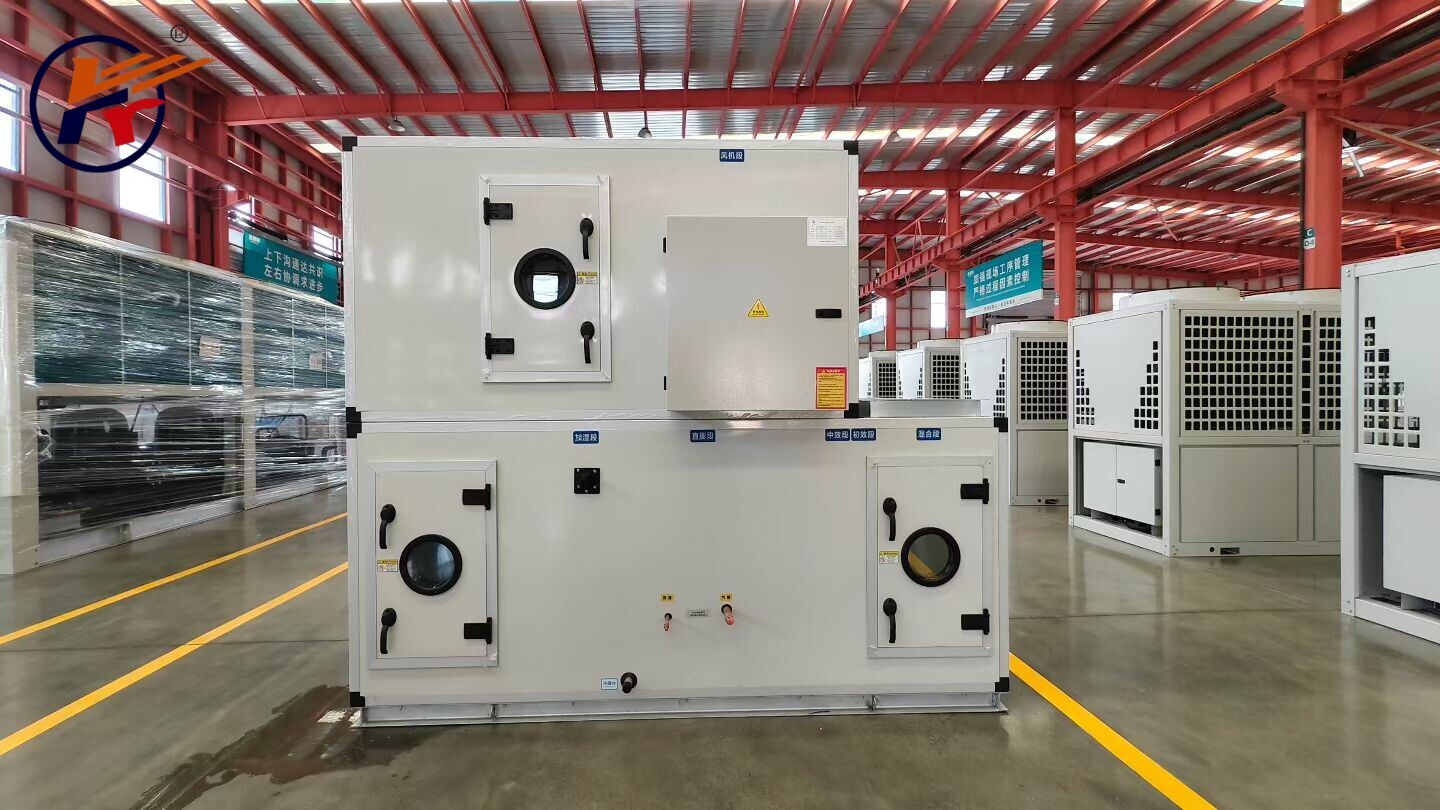
Fresh Air Modular AHU for Large Malls: What to Choose?
Large malls (10,000+ sq. ft.) face unique HVAC challenges: high foot traffic (10,000+ daily visitors), variable occupancy, and strict indoor air quality (IAQ) regulations. A subpar fresh air modular air handling unit (AHU) can lead to stuffy spaces, soaring energy bills, and even regulatory fines. With the global AHU market projected to reach $14.8 billion in 2025 , choosing the right modular system requires focusing on four critical factors—here’s your 2025 guide.
1. Prioritize IAQ Features Aligned with Global Standards
Mall visitors now demand transparency on air quality: 72% of building occupants cite IAQ as a top concern . Opt for modular AHUs with multi-stage filtration: MERV-13 pre-filters capture dust and pollen, while HEPA filters trap 99.97% of 0.3-micron particles (critical for reducing allergen exposure) . For odor control (think food courts), add activated carbon modules. Ensure compliance with ASHRAE Standard 62.1, which mandates minimum ventilation rates based on occupancy—this avoids penalties and builds customer trust.
2. Demand Modularity for Flexible, Space-Saving Design
Large malls have fragmented layouts (anchor stores, corridors, food courts) and limited mechanical room space. Modular AHUs solve this by letting you mix-and-match 功能: add heating/cooling coils for atriums, dehumidifiers for tropical climates, and extra fresh air modules for peak hours . Look for compact, double-skin panels (with PU foam insulation) to minimize footprint and prevent cold bridges . A leading mall in Dubai reduced mechanical space by 30% using this design, freeing up area for retail.
3. Prioritize Energy Efficiency to Cut Operating Costs
HVAC accounts for 40% of mall energy use—efficiency directly impacts profits. Choose units with energy recovery systems (enthalpy plates work best, with 60%+ heat recovery efficiency) and variable speed fans that adjust airflow based on real-time occupancy. Smart controls (IoT-enabled) let you monitor CO₂ levels and adjust settings remotely; a U.S. mall reported 22% lower energy bills after upgrading to such a system . These features also support LEED or WELL certifications, boosting the mall’s sustainability credentials.
4. Don’t Overlook Durability and Low Maintenance
Malls operate 12+ hours daily, so reliability is key. Select AHUs with corrosion-resistant galvanized steel frames and easy-access, draw-out filters—this cuts maintenance time by 50% . Low-noise fans (under 55 dB) are non-negotiable for customer comfort, especially near dining areas. Partner with suppliers who offer 24/7 support; unexpected downtime can cost $10,000+ per hour in lost foot traffic.
Final Tip: Avoid “One-Size-Fits-All” Solutions
A 50,000-sq. ft. fashion mall needs different airflow (15,000–20,000 m³/h) than a mall with a large food court (requires extra dehumidification). Work with manufacturers who use 3D CAD to map duct paths and customize unit placement —this ensures seamless integration with existing infrastructure.
By focusing on IAQ compliance, modular flexibility, energy efficiency, and durability, you’ll select a fresh air modular AHU that keeps customers comfortable, costs low, and meets 2025’s strictest standards—making it a smart long-term investment for any large mall.
Leave A Message
If you are interested in our products and want to know more details, please leave a message here, we will reply you as soon as we can.