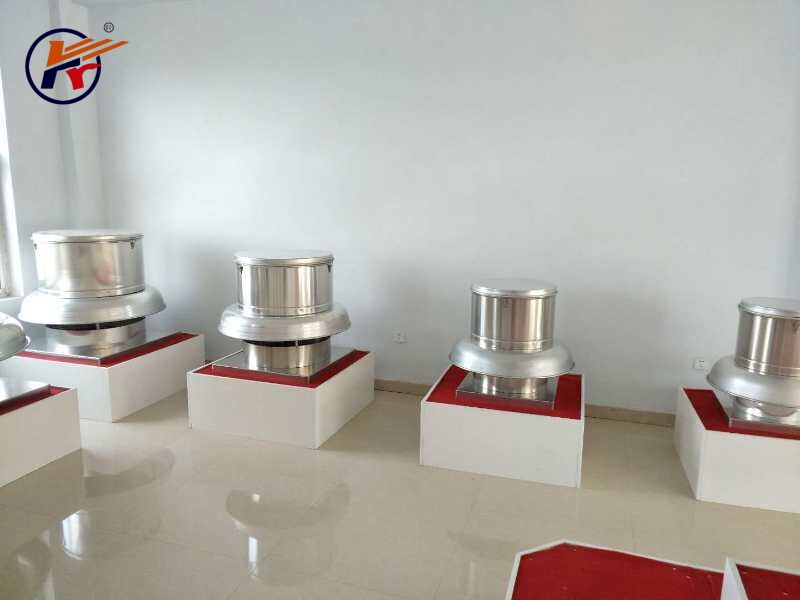
In industrial and commercial settings, roof ventilation is critical for air quality, temperature regulation, and safety compliance. Traditional steel roof fans often fail prematurely due to corrosion, especially in humid or chemically active environments. The full aluminum roof exhaust fan emerges as a game-changer, combining corrosion resistance, lightweight design, and high efficiency—making it the top choice for Google users searching for "aluminum roof fan," "corrosion-resistant ventilator," and "industrial roof ventilation solutions."
Crafted from high-grade aluminum alloys (3003, 5052, or 6061), these fans excel in harsh environments:
- Chemical Resistance: Withstand acidic/alkaline fumes (ideal for chemical plants, electroplating workshops, and wastewater treatment facilities).
- Weatherproof: Resist UV rays, rain, and salt spray (perfect for coastal or high-humidity regions).
- Longevity: Average lifespan of 20+ years—3-5 times longer than steel alternatives. A case study from a Florida chemical plant showed an aluminum roof fan operating flawlessly for 18 years in a corrosive atmosphere, while steel fans required replacement every 3-4 years.
- Roof Load Reduction: Aluminum’s density (2.7 g/cm³) is about one-third that of steel, minimizing structural stress on roofs. This allows installation on lighter-weight buildings like prefab warehouses or greenhouses.
- High Strength-to-Weight Ratio: Advanced manufacturing techniques (e.g., die-casting, extrusion) create robust components. For example, the RTC series aluminum roof fan from Keruite meets wind load standards for 50 m/s gusts—equivalent to a Category 3 hurricane.
- High Airflow, Low Noise: Impellers with aerodynamic designs (e.g., backward-curved blades) deliver airflow ranging from 900 m³/h to 55,215 m³/h while maintaining noise levels ≤75 dB(A). This is crucial for occupied spaces like factories with office areas or commercial rooftops near residential zones.
- Motor Options: Compatible with energy-efficient EC motors or explosion-proof motors (Ex d IIB T4) for hazardous environments. Variable frequency drives (VFDs) enable speed control, reducing energy consumption by up to 40% compared to fixed-speed models.
Aluminum roof fans serve diverse industries:
- Industrial Plants: Ventilate heat, fumes, and dust in manufacturing facilities (e.g., auto plants, electronics factories).
- Commercial Buildings: Provide fresh air and exhaust for shopping malls, hotels, and office complexes.
- Agriculture: Cool poultry farms, greenhouses, and livestock barns—maintaining optimal temperatures for animal welfare and crop growth.
- Specialty Use: Explosion-proof models for paint booths, solvent recovery areas, and gas storage facilities.
Key parameters of full aluminum roof exhaust fans include:
- Airflow Range: 900–55,215 m³/h (covers small workshops to large warehouses).
- Static Pressure: 30–650 Pa (handles ductwork resistance and weather-induced backpressure).
- Temperature Range: -20°C to +40°C (extended to 300°C for 45 minutes with H-class insulation for fire scenarios).
- Custom Options:
- Material Upgrades: 316L stainless steel components for extreme corrosion resistance.
- Accessories: Gravity dampers, electric shutters, and rain hoods for weather protection.
- Control Systems: Smart PLCs for remote monitoring, scheduling, and integration with building management systems (BMS).
- Roof Compatibility: Ensure the roof structure can support the fan’s weight (typically 30–150 kg) and consult structural engineers for large units.
- Sealing & Waterproofing: Use EPDM gaskets and flashing to prevent water leakage around the fan curb.
- Routine Maintenance:
- Inspect impellers and motors quarterly for wear or imbalance.
- Replace bearings every 3–5 years (or as recommended by the manufacturer).
- Clean filters and remove debris from the fan inlet/outlet biannually.
To meet global regulations, top-tier aluminum roof fans adhere to:
- EPA & OSHA: For VOC emissions and workplace safety in the U.S.
- CE & ATEX: For European markets, including explosion-proof requirements.
- ISO 9001/14001: Ensuring quality management and environmental sustainability.
While aluminum roof fans have a 20–30% higher upfront cost than steel models, their long-term savings are substantial:
- Reduced Replacement Costs: Avoid 2–3 replacements over 20 years.
- Lower Energy Bills: Efficient motors and VFDs cut electricity use.
- Minimal Downtime: Corrosion resistance means fewer breakdowns.A 10,000 m³/h aluminum roof fan in a chemical plant costs approximately $8,000 upfront but saves $3,000 annually in maintenance and energy versus a steel alternative—yielding a payback period of just 2.5 years.
RTC All-Aluminum Centrifugal Rooftop Fan(屋顶风机).pdf
For specific project needs, consult with manufacturers to customize airflow, pressure, and control features—ensuring your aluminum roof fan delivers optimal performance for decades to come.