



Get Free Samples
‹
›
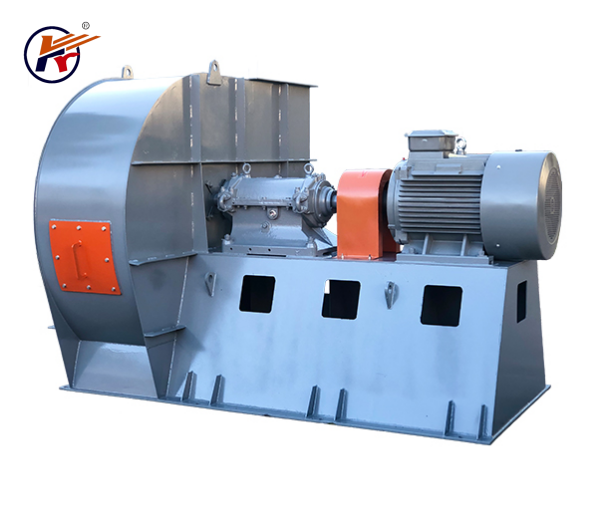
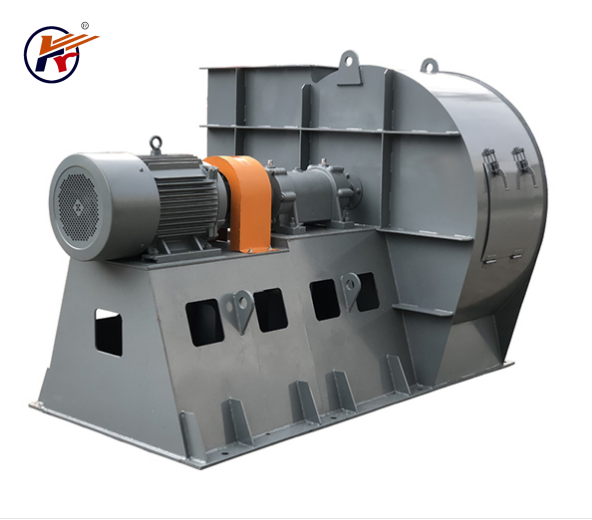
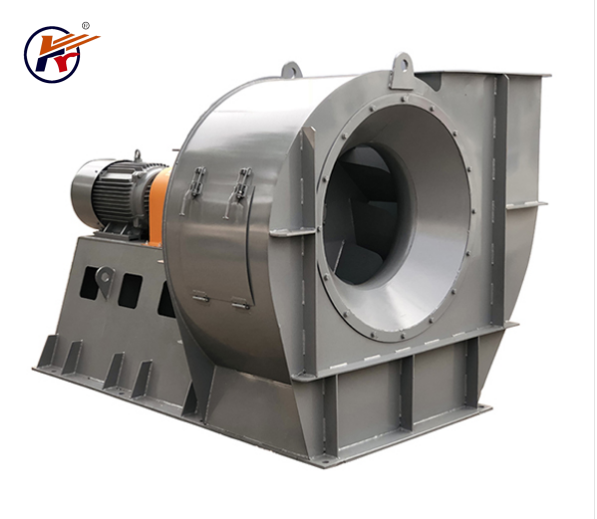
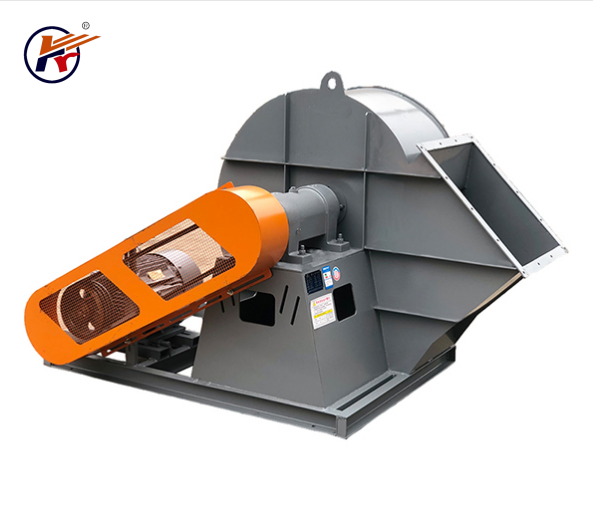
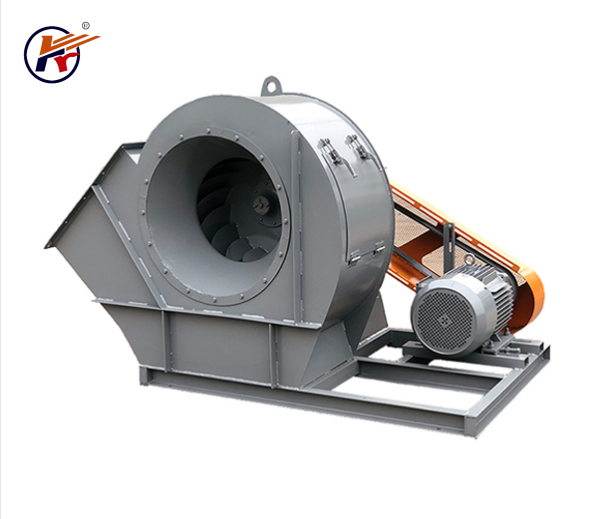
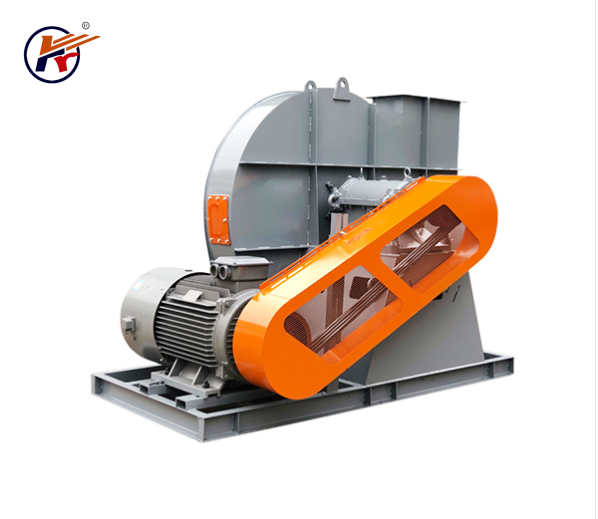
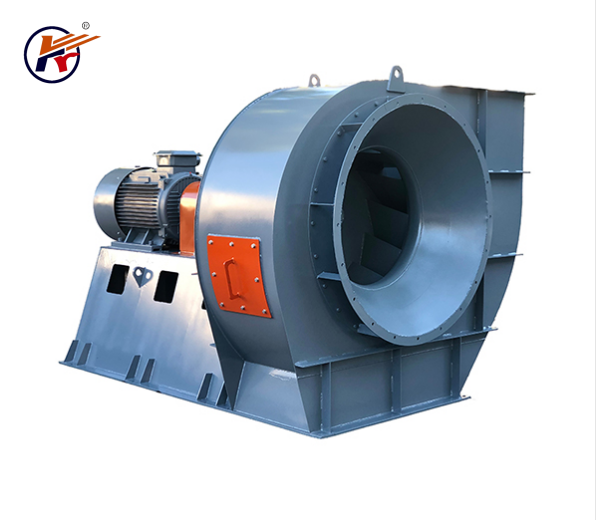
Backward Curved Centrifugal Fan
Discover our Backward Curved Centrifugal Fan with airflow up to 380,000 m³/h and static pressure up to 4,100 Pa. Ideal for general, explosion-proof, and smoke removal applications. Durable and efficient.
Email:zkeruiteair@gmail.com
WhatsApp:+8613105346663
product description
Airflow Range: 1,000~380,000 m³/h (588~223,529 CFM)
Static Pressure Range: 300~4,100 Pa (1.2~16.46 in.WG.)
Operating Temperature: -20~450 ℃
Drive Types: Direct/ Belt/ Coupling drive
Mounting Type: Base mounted
Applications: General air supply and exhaust/ Explosion-proof air supply and exhaust / Smoke removal
Definition & Working Principle
Backward curved centrifugal fans are a major category of centrifugal fans. Their operating principle relies on centrifugal force generated by high-speed impeller rotation. Gas enters the impeller axially, gains kinetic energy under the action of the blades, and is then discharged radially. The flow passages of backward curved blades are generally diverging, where the relative velocity of airflow gradually decreases. Kinetic energy is converted into static pressure through the diffuser effect, achieving gas pressurization and delivery.
Main Features & Performance Advantages
Compared with forward-curved or radial-blade centrifugal fans, the backward-curved design offers significant benefits:
- High efficiency: The flow passage design minimizes airflow impact and separation losses, resulting in high energy conversion efficiency.
- Low noise: Smoother airflow produces relatively low aerodynamic noise.
- High static pressure: Excellent diffuser performance provides strong resistance to system pressure, ideal for applications involving dense filters or long duct runs.
- Stable operation: The shaft power curve exhibits a non-overloading characteristic, where power tends to stabilize or decrease with increasing flow rate, preventing motor overload when system resistance drops and improving reliability.
- Compact structure: Some models feature a small size for easy installation.
Typical Structure & Classification
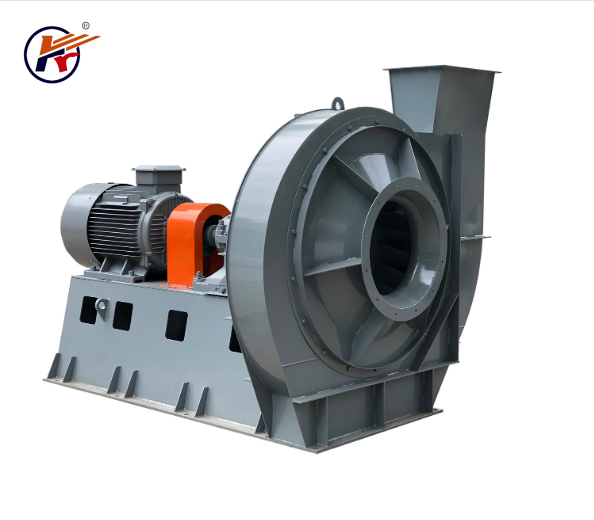
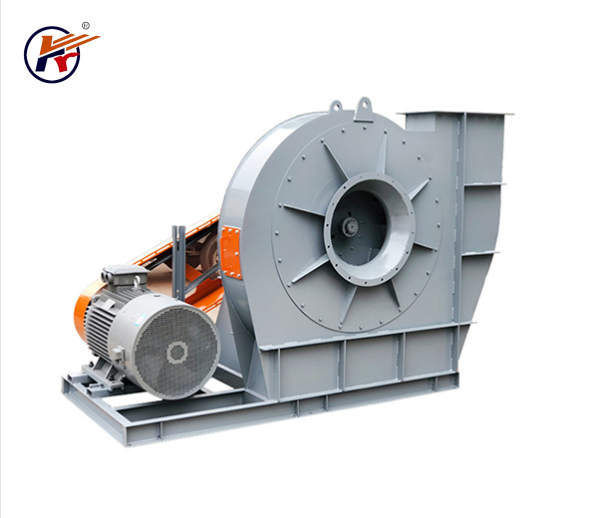
The fan mainly consists of an impeller, casing (volute), air inlet, and drive motor. The impeller, as the core component, uses backward-curved blades made of metal (mild steel, aluminum) or engineering plastic.The casing guides and collects airflow, commonly available in volute or non-volute designs. Based on air intake, fans are classified as single-inlet or double-inlet.By specific speed, backward-curved centrifugal fans generally fall in the medium-to-high range (approximately 3.6 to 16.6).
Main Application Areas
With high static pressure, high efficiency, and low noise, backward-curved centrifugal fans are widely used in applications demanding high aerodynamic performance:
- HVAC systems: Supply and exhaust air for commercial, public, and industrial buildings.
- Clean environment control: Clean benches, fan filter units, clean rooms, and clean air conditioning systems to maintain positive pressure and overcome HEPA filter resistance.
- Industrial ventilation & environmental protection: Factory and mine ventilation, dust removal systems, waste gas treatment, and pollution control.
- Fire safety: Smoke exhaust systems.
- Equipment cooling: Server cabinet cooling and forced ventilation for specific industrial equipment.
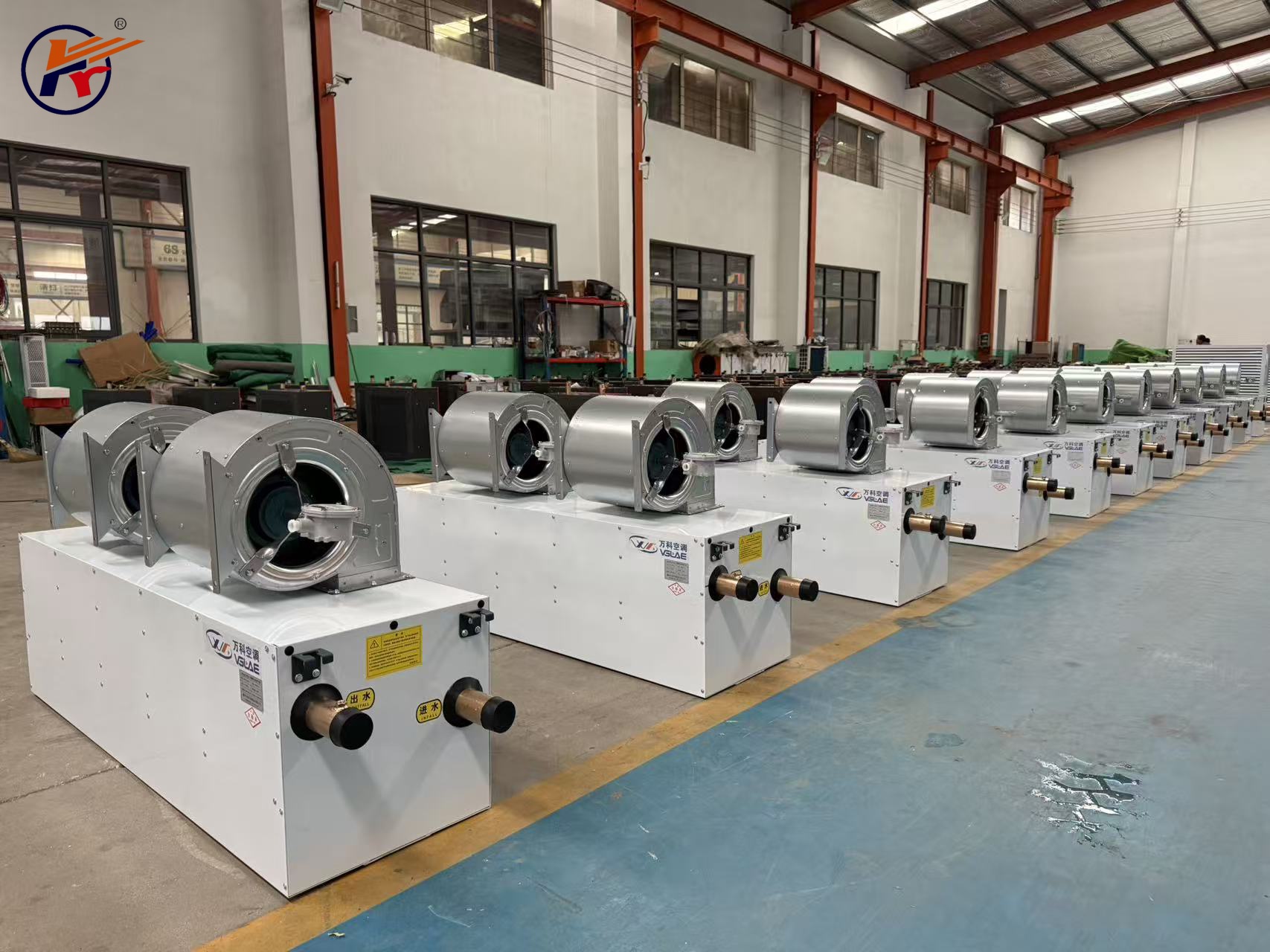
Product Display
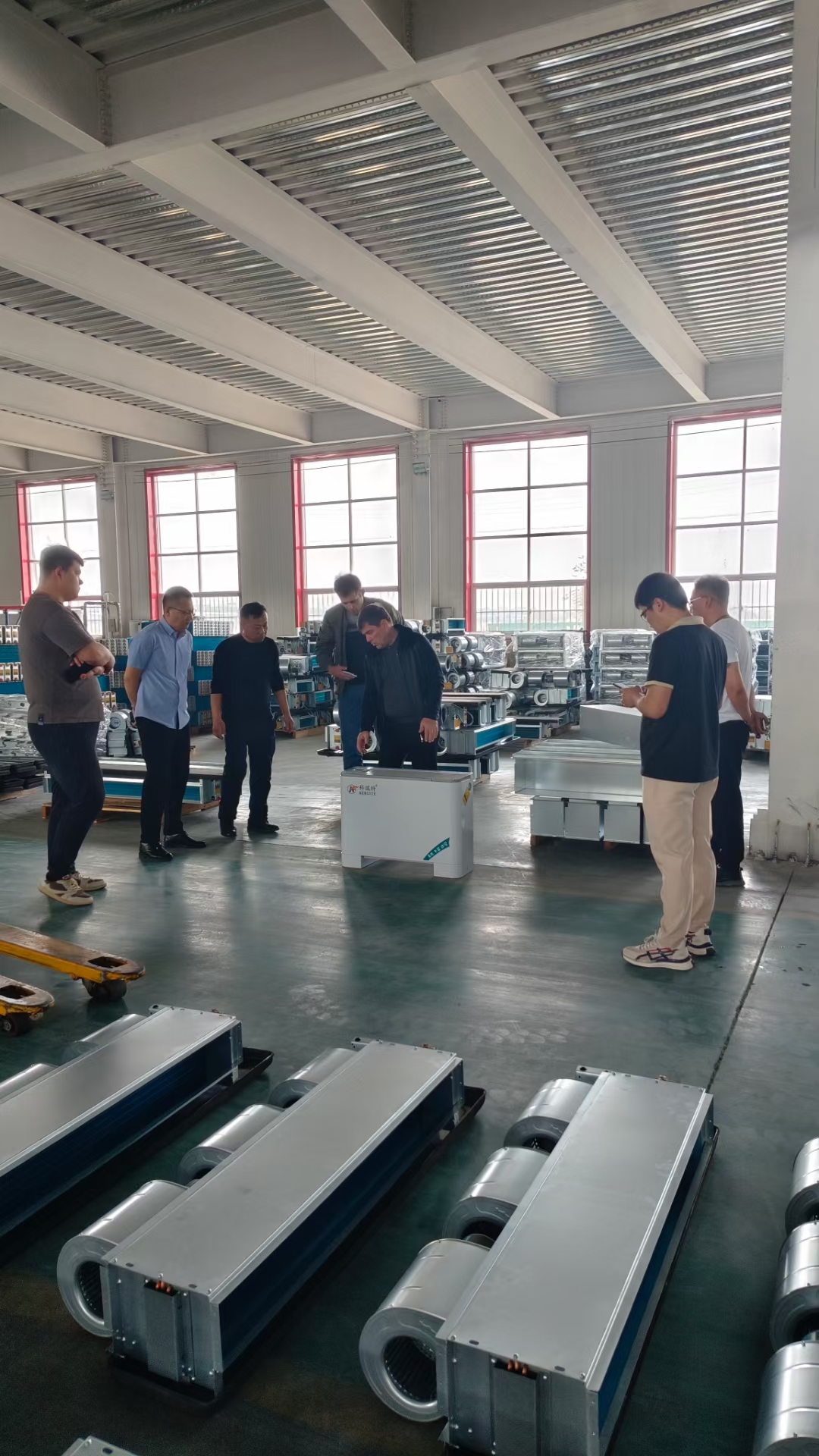
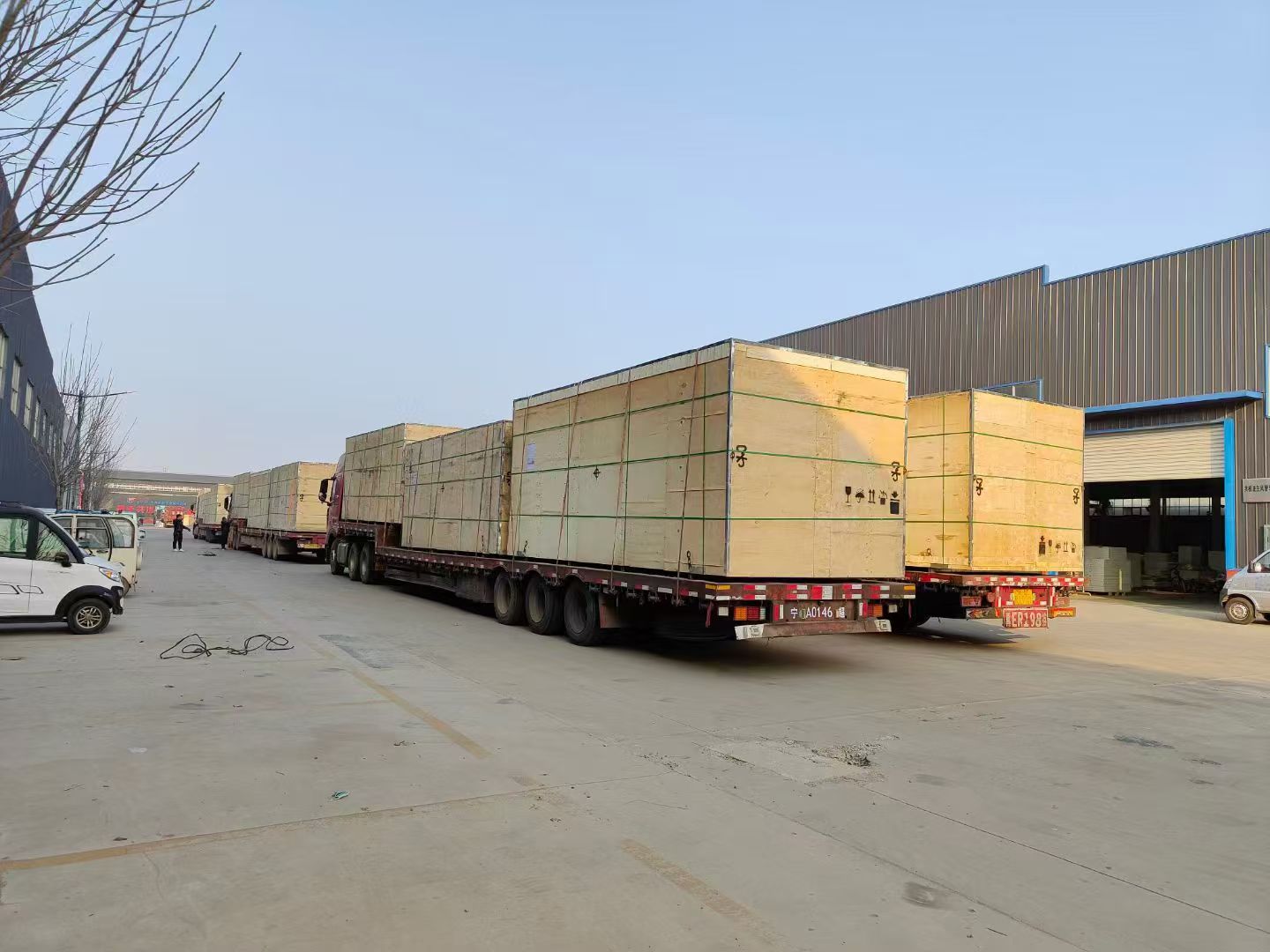
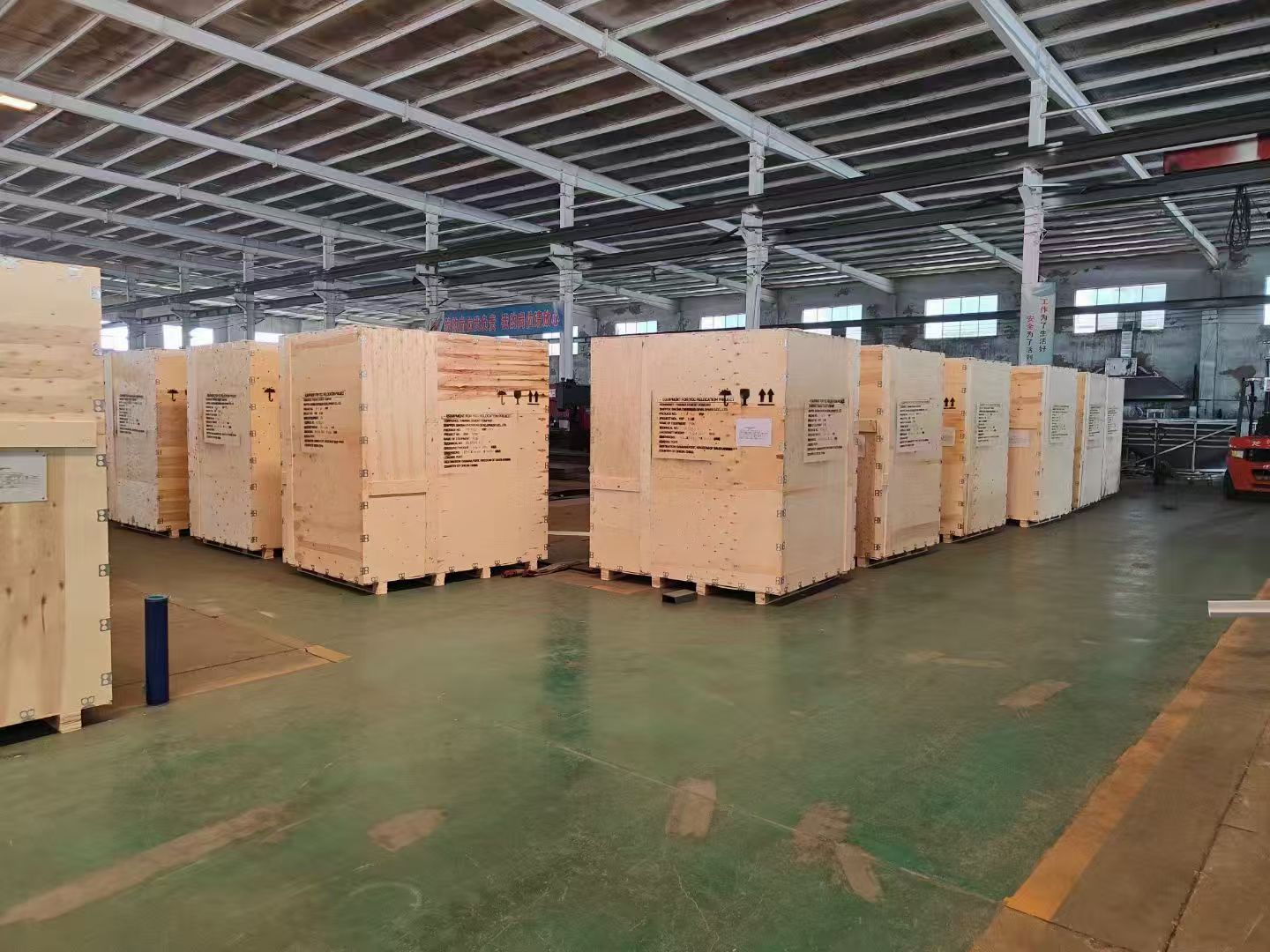
Factory Display
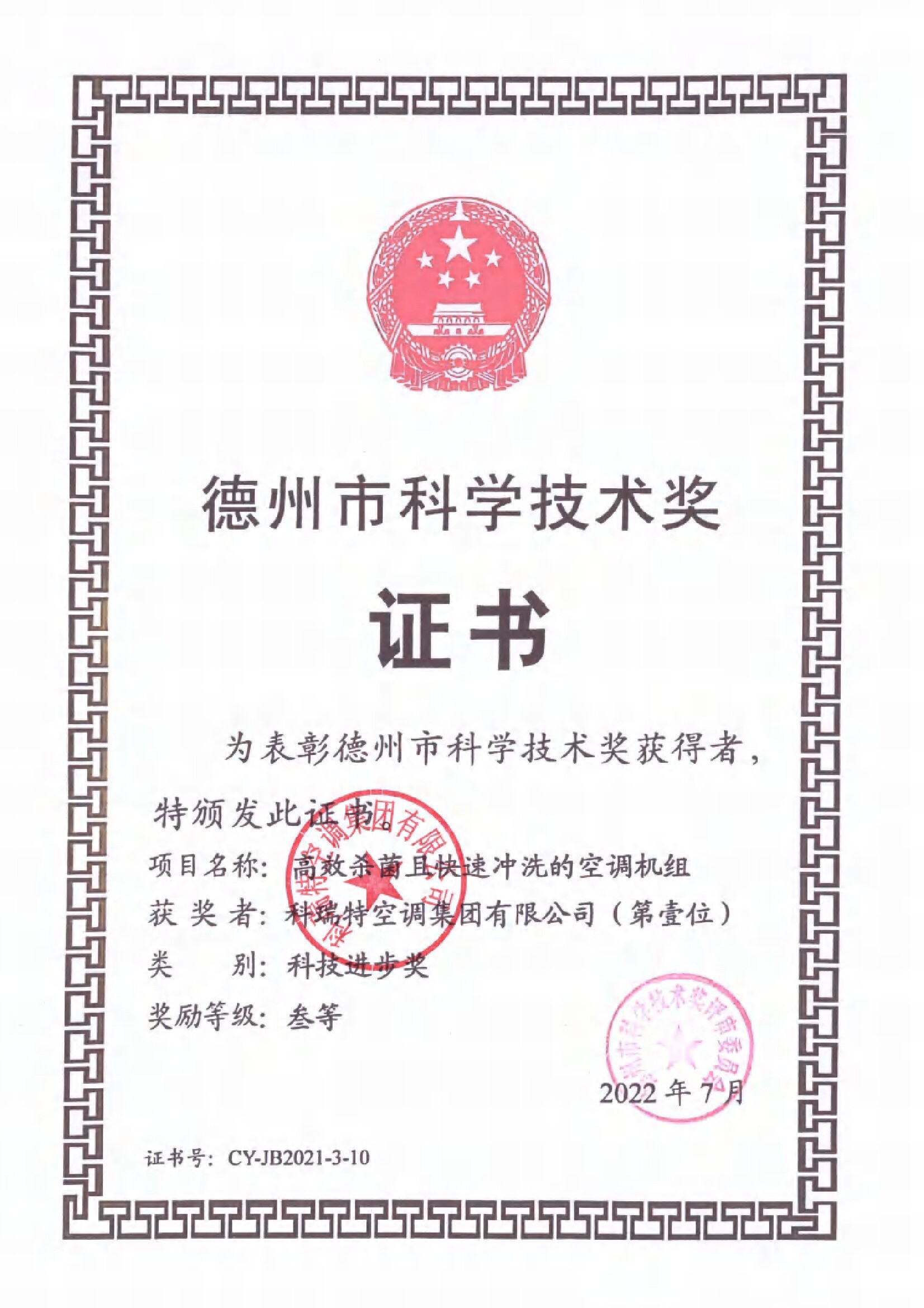
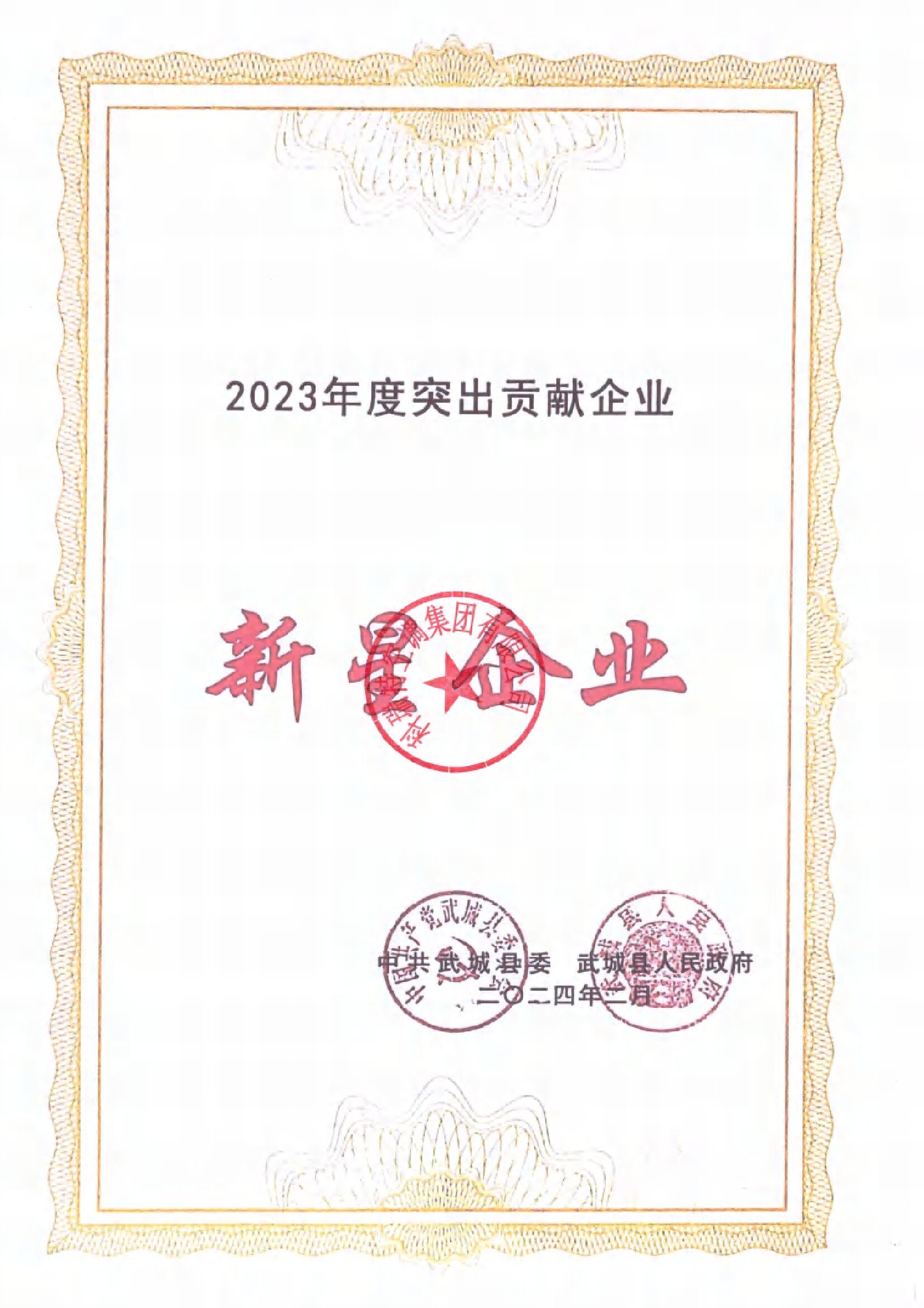
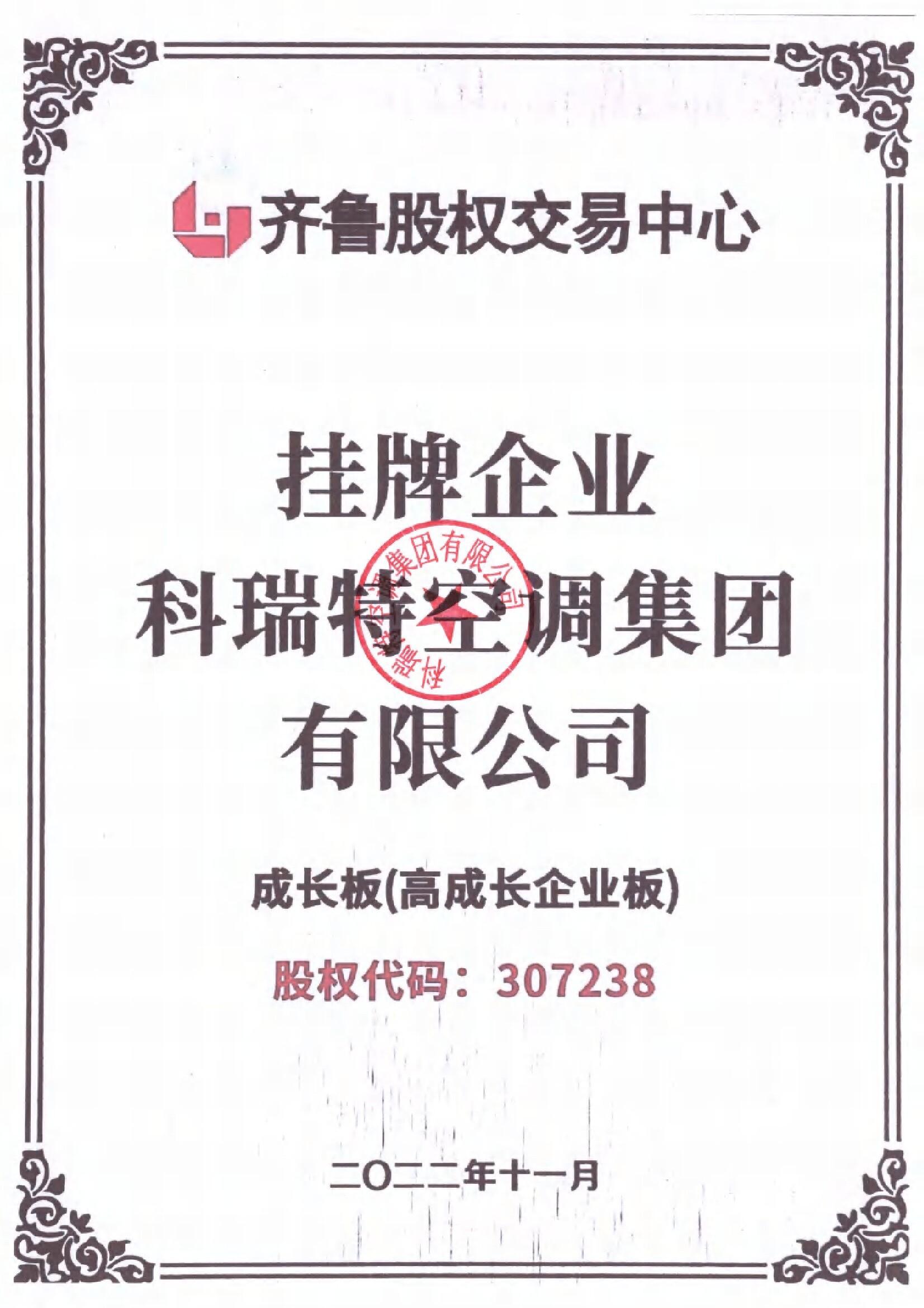
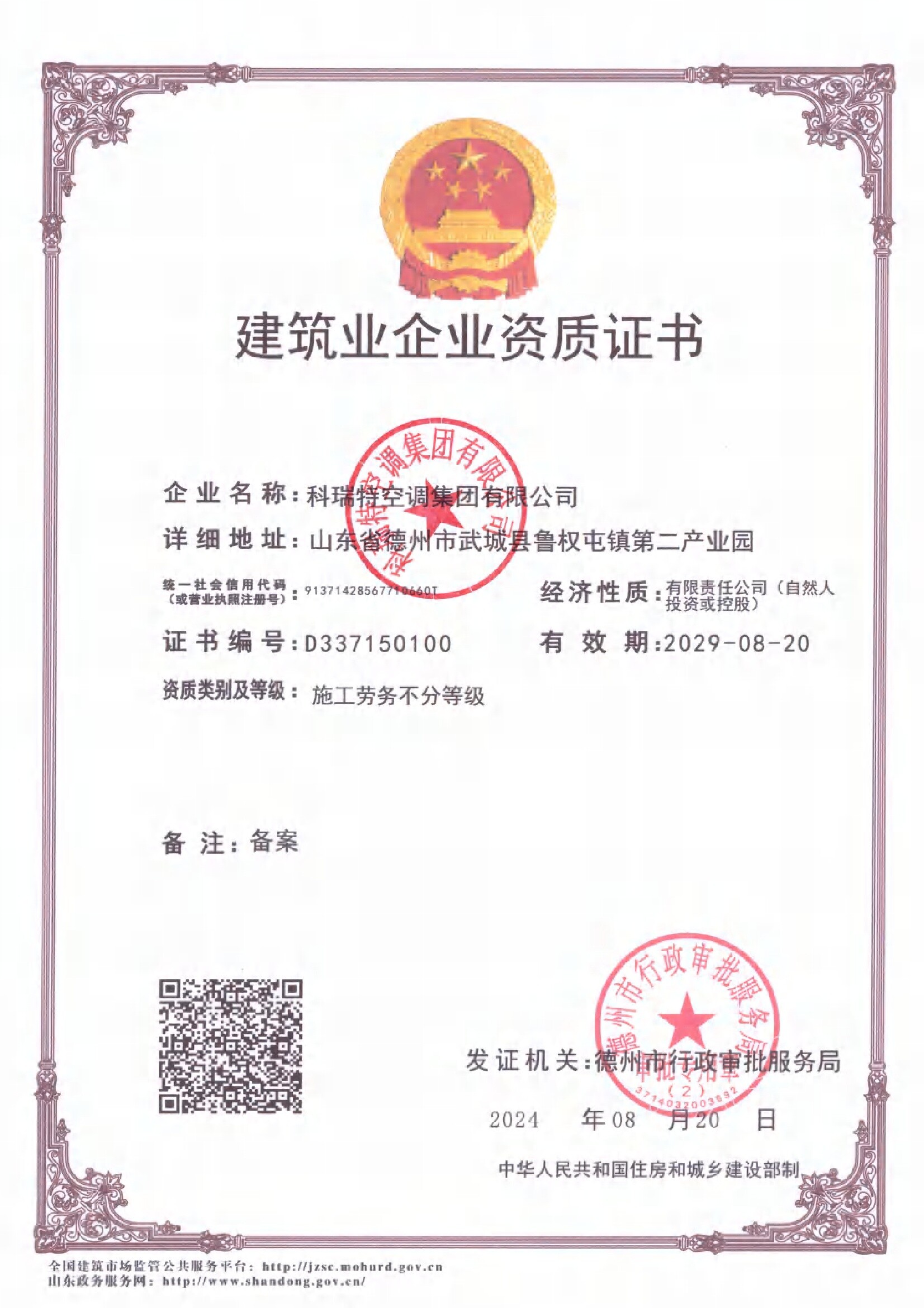
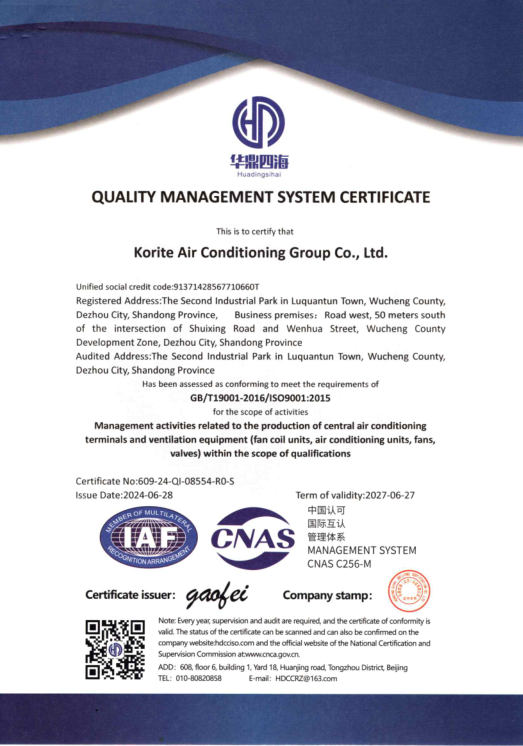
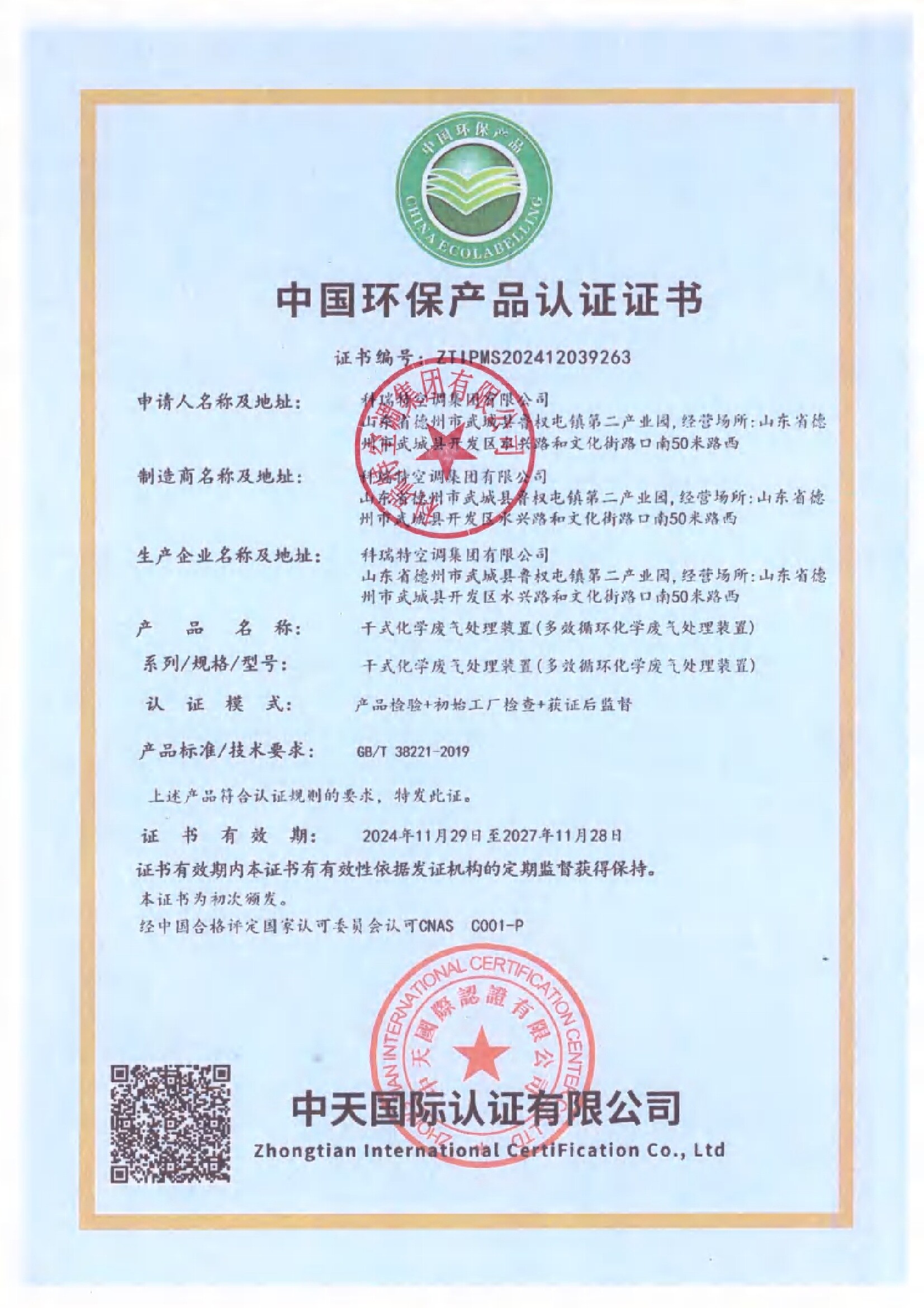
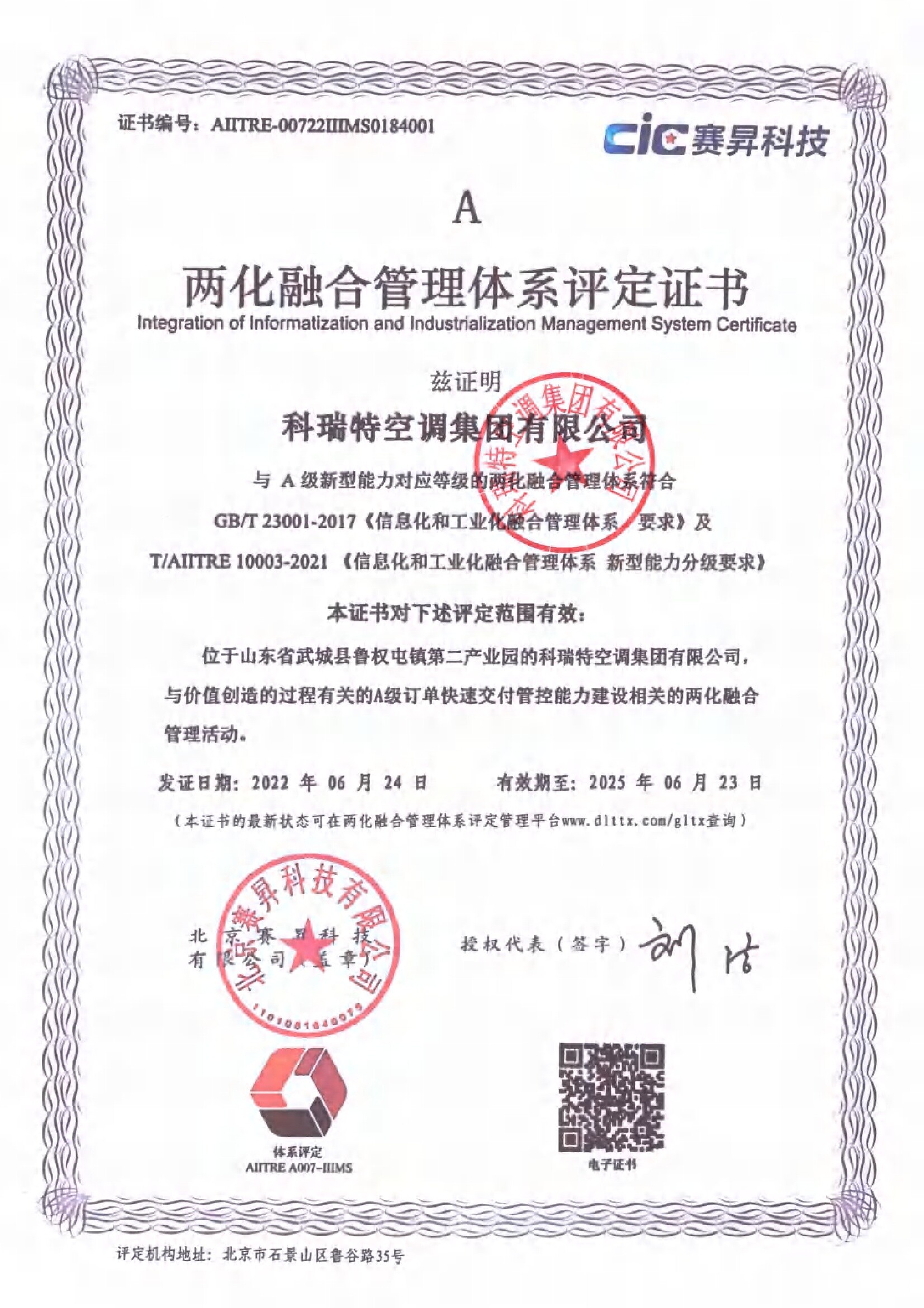
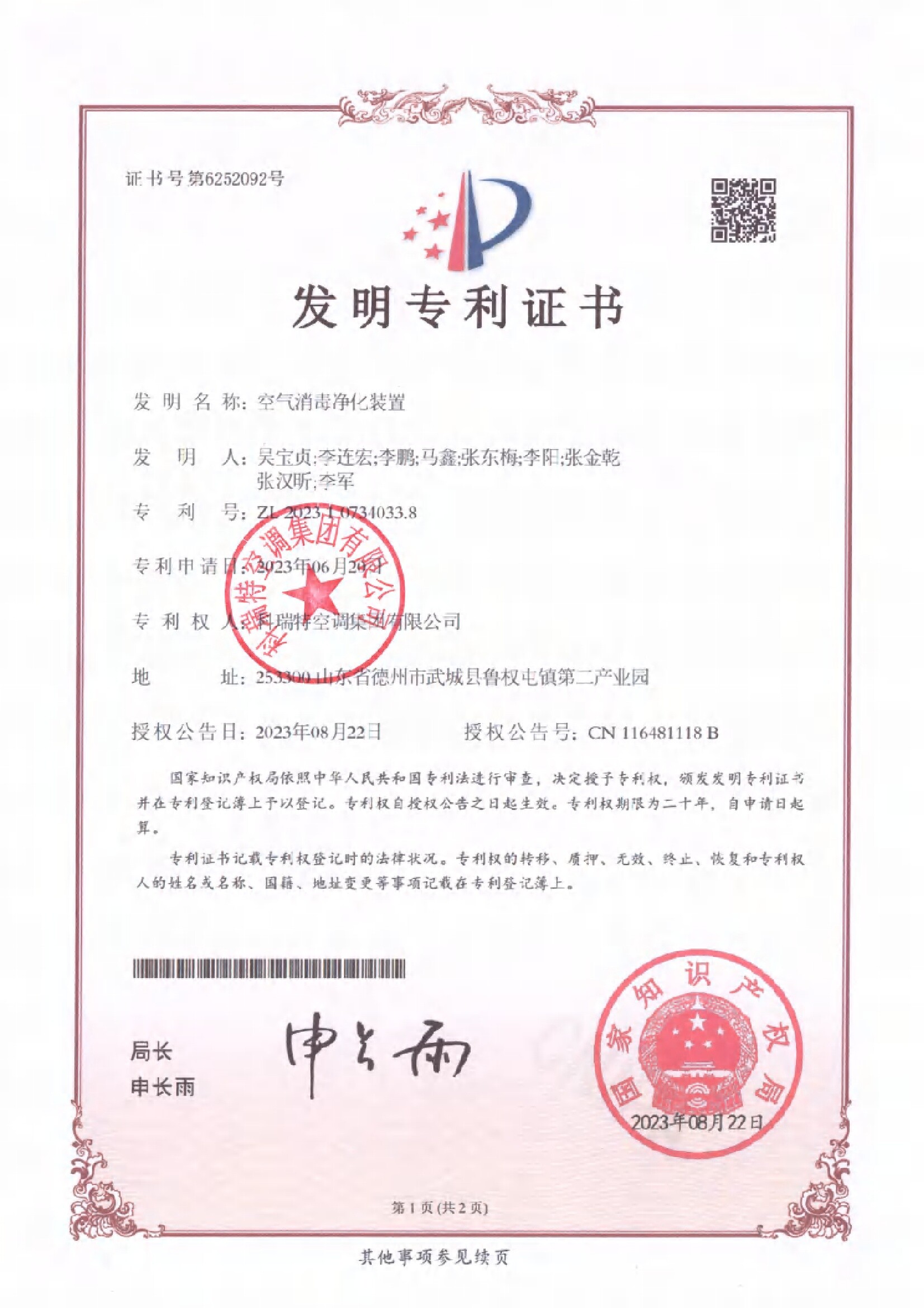
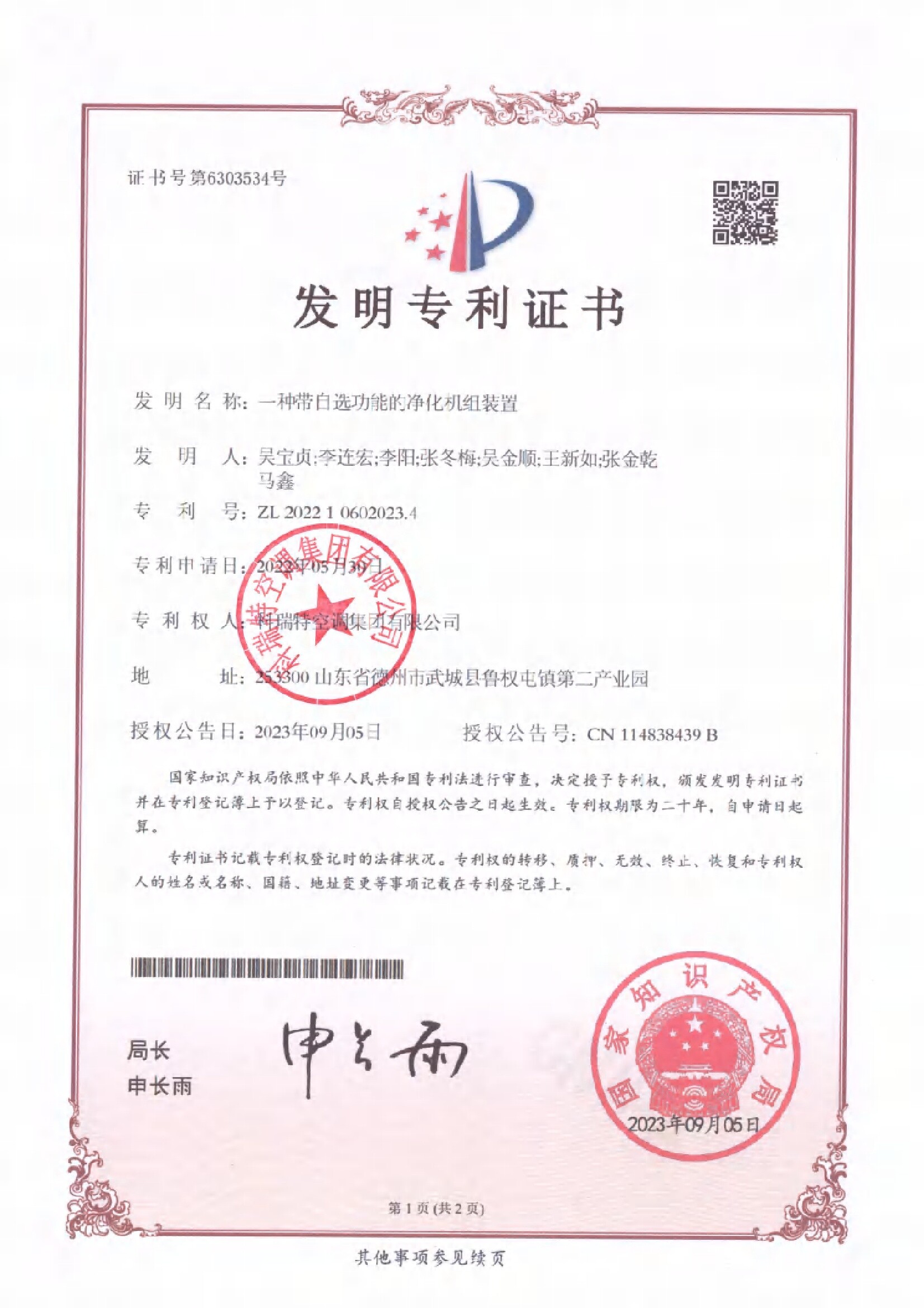
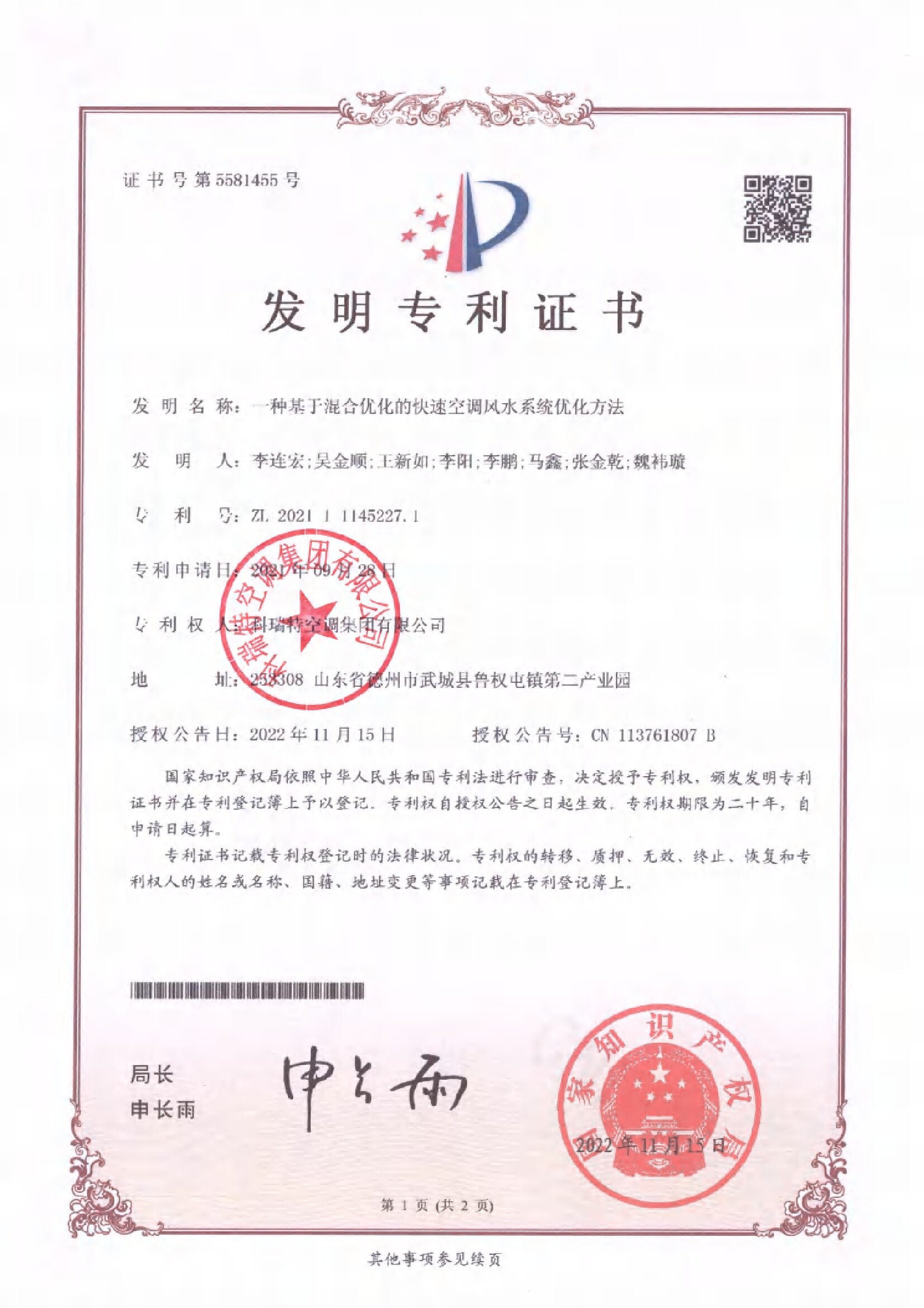
Qualification Certificate



Contact Us
Product recommendation
Leave A Message
If you are interested in our products and want to know more details, please leave a message here, we will reply you as soon as we can.